Dreaming about a quiet cabin, hunting camp, or simple weekend setup on Taliaferro County land? It sounds straightforward, but the land itself often decides what is actually practical. If you want fewer surprises and a smoother path from raw acreage to usable retreat, it helps to understand access, utilities, site conditions, and local rules before you buy. Let’s dive in.
Start with the tract, not the cabin
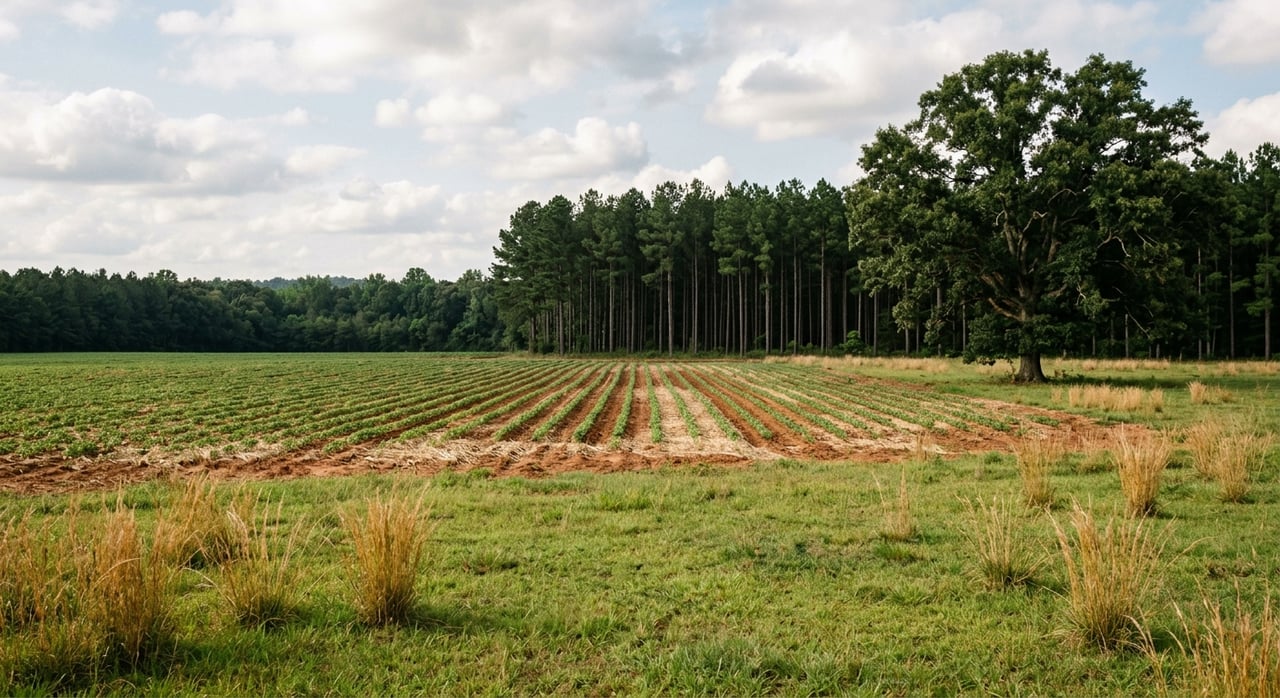
In Taliaferro County, the best cabin property is usually the one that works with the land, not against it. County planning materials describe a rural landscape of farmland, pastures, forests, and streams, and the county’s land-use goals focus on orderly, compatible development and protecting sensitive areas.
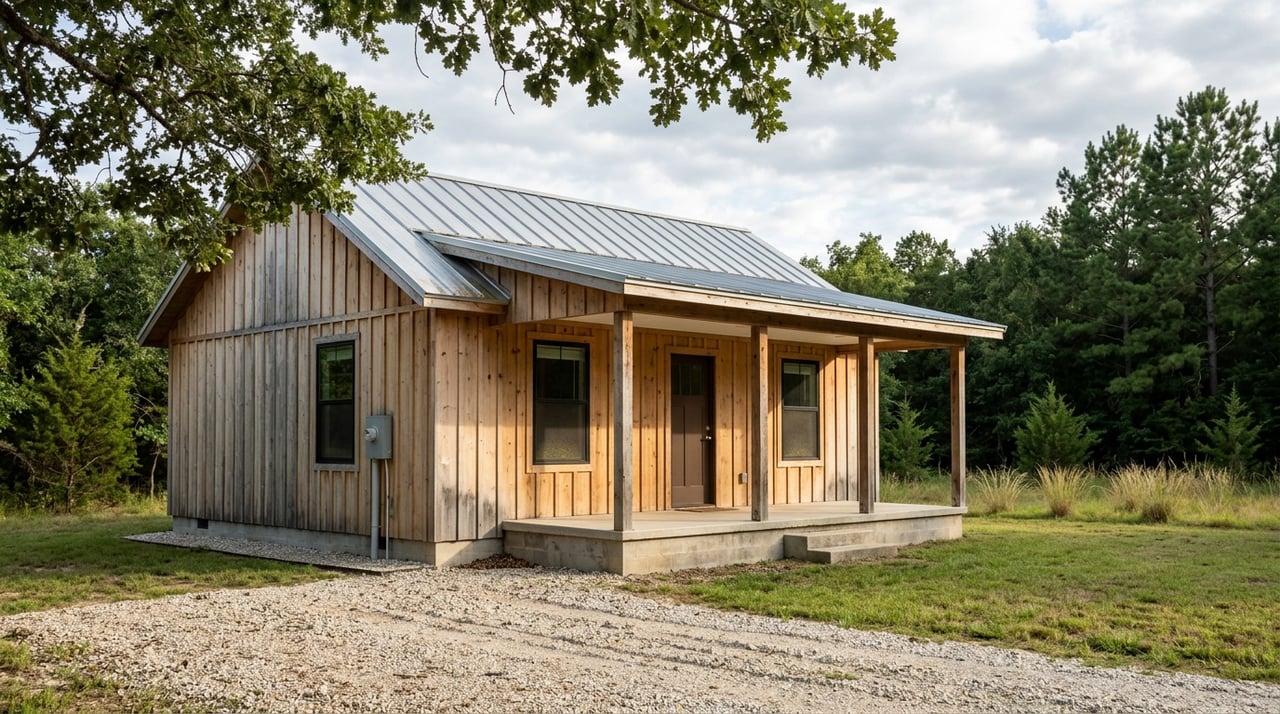
That matters because a simple camp still needs a usable homesite. Before you fall in love with a floor plan or a shed-style cabin idea, make sure the tract has legal access, enough buildable area, and room for the basics you may need later.
Why rural land needs careful screening
Taliaferro County’s zoning ordinance includes A-1, R-1, R-2, R-3, C-1, and M-1 districts. The county’s comprehensive plan describes A-1 as an agricultural district intended to preserve rural character, open space, and protection from congestion and heavy traffic.
For many buyers, that rural setting is the appeal. Still, rural does not mean rule-free. County planning materials also reference code enforcement in coordination with the CSRA Regional Commission, so it is smart to verify what applies to your parcel before closing.
Questions to ask about the tract
When you are comparing parcels, focus on the land facts first:
- Does the property have legal access from a public road or a recorded easement?
- Is there enough room for a cabin, driveway, well, and septic area?
- Does the site have wet spots, drainage issues, or creek-bottom concerns?
- Could the land support future expansion if your plans change?
- Is your intended use strictly private, or could it become a rental camp later?
Water and septic can make or break the deal
For a modest cabin or camp in Taliaferro County, utilities often decide whether a tract is truly usable. The county’s 2015-2025 joint comprehensive plan states that Taliaferro County did not operate a public water system and that most unincorporated residents used private wells.
That means well and septic feasibility should be part of your buying decision from day one. If those pieces do not work, the rest of the plan may not matter.
What to know about private wells
Georgia Department of Public Health guidance says private wells should be installed by a licensed water well contractor. The contractor must notify the county health department before drilling.
DPH also lists separation recommendations that help protect water quality. Wells should be kept at least 10 feet from sewer lines, 50 feet from septic tanks, 100 feet from septic absorption fields, and 150 feet from cesspools or seepage pits.
If you plan to use the property regularly, ongoing water testing matters too. DPH recommends annual bacteria testing and chemical screening every three years.
What to know about septic approval
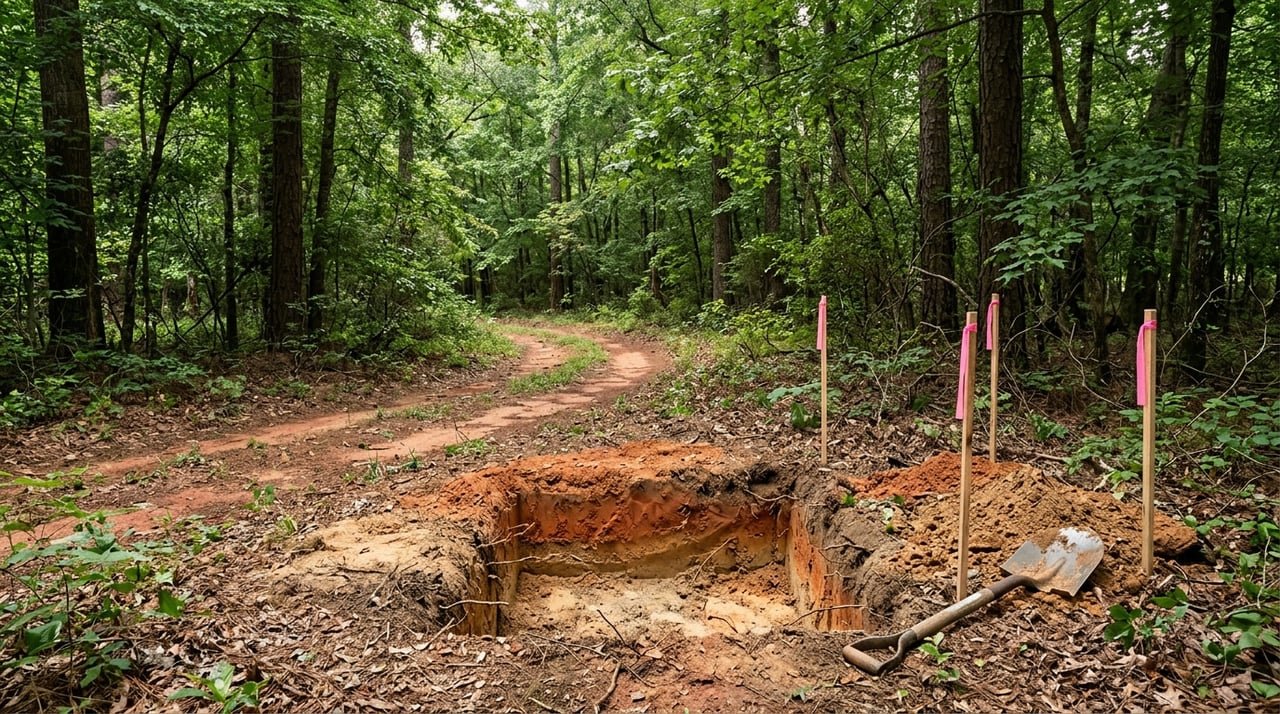
A simple cabin still needs a workable wastewater plan. Georgia DPH’s onsite sewage guidance is the technical reference for siting, design, permitting, inspection, and troubleshooting, and buyers may also need a licensed soil classifier for a Level III soil report.
In practical terms, this means you should not assume every rural acre can handle a septic system in the exact spot you want. Soil conditions, drainage, and available layout area can all affect what is possible.
Local contact for environmental health
For well and septic questions in Taliaferro County, the local Environmental Health office is:
- Taliaferro County Environmental Health
- P.O. Box 184
- Crawfordville, GA 30631
- (706) 456-2316
Watch for flood and site limitations
A pretty homesite on a map can look very different on the ground. County planning materials identify wetlands and groundwater recharge areas as sensitive features, which makes early site screening especially important.
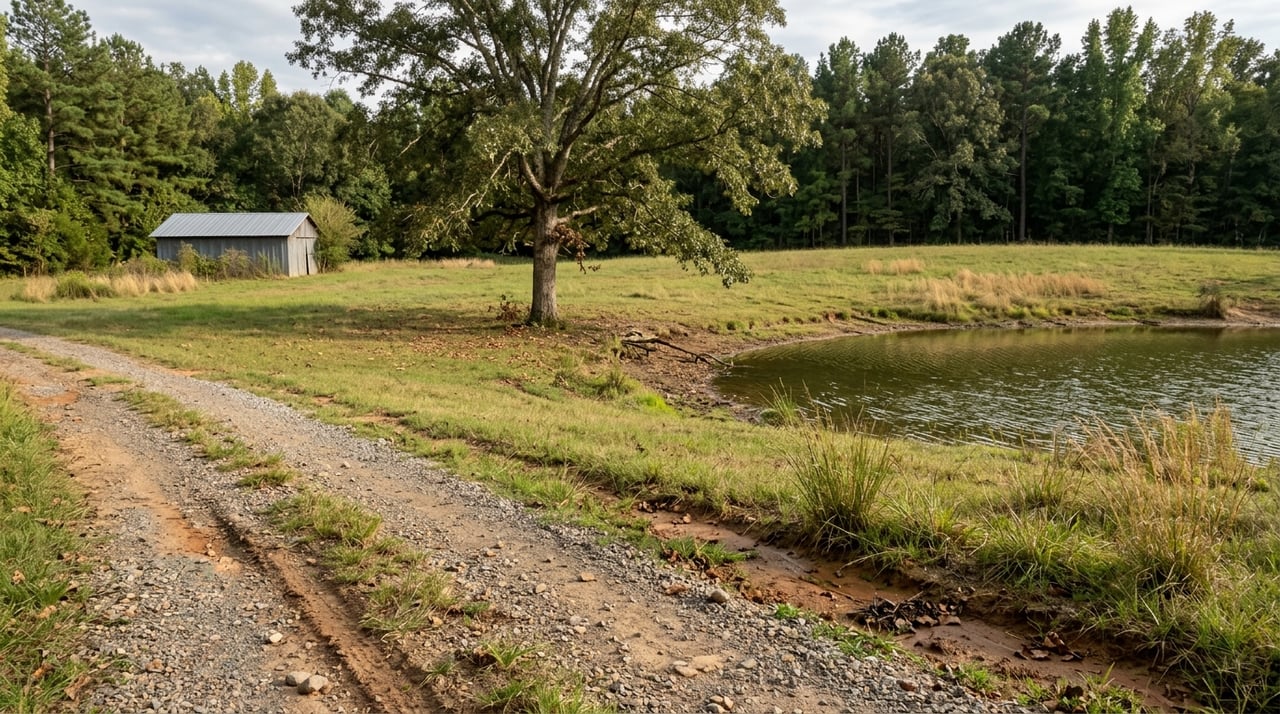
If you are looking at creek frontage, low areas, or places with visible wet ground, take a closer look before you commit. Drainage and topography can affect where you build, where you place septic, and how usable the property feels year-round.
Flood maps matter for cabin sites
FEMA identifies the Flood Map Service Center as the official source for flood-hazard information and effective flood maps. For buyers, that means flood screening is not just for large homes or commercial projects.
Even a small private cabin benefits from knowing whether the likely building area sits in a flood-prone zone. It is much easier to adjust your search early than to redesign a project after purchase.
A small cabin still has to meet code
Many buyers assume that a basic camp, bunkhouse, or off-grid cabin is too small to trigger meaningful construction rules. In Georgia, that is not a safe assumption.
The Georgia Department of Community Affairs states that the state’s mandatory construction codes apply statewide, whether or not a local government chooses to enforce them. The mandatory code set includes building, residential, plumbing, mechanical, gas, electrical, and energy codes with Georgia amendments.
Habitable use changes the picture
If your structure is meant for sleeping or other habitable use, code questions can come up quickly. That is true even if the footprint is modest and the design is simple.
This is one reason land buyers should think through the intended use before they close. A hunting shelter, storage building, weekend cabin, or future guest setup may each raise different practical questions.
Seasonal camp use has its own rules
Some buyers want to enjoy the land right away, even before a permanent cabin is built. That could mean temporary camping, an RV setup, or basic seasonal use while due diligence and improvements move forward.
In those cases, wastewater planning still matters. Georgia DPH regulates portable sanitation providers under Rule 511-3-6, which is especially relevant if you plan a temporary camp arrangement before permanent service is in place.
If your plans turn commercial
There is also a big difference between private use and commercial use. If your idea could later become a short-term rental camp, a cluster of cabins, or an RV park, Georgia DPH’s tourist accommodation framework becomes much more relevant.
The state’s plan-review checklist specifically includes cabins, campgrounds, and RV parks. Rules for tourist accommodations also address items such as dump stations, plumbing, and electrical service at trailer spaces.
Manufactured or modular home rules differ
Not every buyer who says “cabin” means a site-built structure. If your plan is actually a manufactured or modular home, Taliaferro County notes that the owner must file a return and obtain a location permit.
The Georgia Department of Revenue says that permit is due within 30 days of permanent placement and then annually between January 1 and April 1. If you are comparing build options, this is worth factoring in early.
Local offices to call before closing
One of the smartest moves you can make is to confirm key details with local offices before you buy. That step can save time, money, and frustration.
Here are a few county contacts mentioned in the research.
Taliaferro County tax offices
- Tax Assessor office phone: (706) 456-2717
- Tax Assessor office hours: Tuesday and Thursday, 8:00 a.m. to 4:00 p.m.
- Tax Commissioner office: P.O. Box 333, Crawfordville
- Tax Commissioner phone: (706) 456-2520
The assessor page also notes a countywide revaluation conducted for 2025. If you are budgeting for a purchase, it is wise to understand current assessment context.
Board of Commissioners meeting details
If you need a county-level policy answer, the Taliaferro County Board of Commissioners meets:
- First Wednesday of each month
- 10:00 a.m.
- Old Athens Tech Building
- 116 Monument Street, Crawfordville
For buyers with a unique use case, this can be a helpful place to ask formal county-level questions.
A smart cabin-buying checklist
If you want a simple way to evaluate Taliaferro County land for a cabin or camp, start here:
- Confirm legal access
- Identify a likely building envelope
- Screen for flood risk, wetlands, and wet areas
- Ask about zoning district and permitted use
- Evaluate well feasibility
- Evaluate septic feasibility
- Think through temporary sanitation needs if using the tract seasonally
- Clarify whether your plan is private use or future commercial use
- Verify whether your structure is site-built, modular, or manufactured
- Call local offices before closing if any detail is unclear
Why due diligence matters more than cabin size
In a rural county like Taliaferro, simple projects can still involve technical details. Water, septic, drainage, code questions, and access often matter more than whether the cabin is large or small.
That is why buyers do best when they look at the parcel as a system. If the tract has clear access, a workable homesite, and room for utilities, your cabin plan has a much better chance of staying simple.
If you want help evaluating Taliaferro County land for a cabin, camp, or recreational use, Georgia Land Brokerage can help you sort through parcel-level due diligence and next steps.
FAQs
What should you check first before buying Taliaferro County land for a cabin?
- Start with legal access, a usable building area, and whether the tract appears suitable for a well and septic system.
Does Taliaferro County have public water for rural cabin sites?
- County planning materials state that Taliaferro County did not operate a public water system, and most unincorporated residents used private wells.
Who handles well and septic questions in Taliaferro County?
- Taliaferro County Environmental Health is the local contact for these issues at P.O. Box 184, Crawfordville, GA 30631, phone (706) 456-2316.
Do small cabins in Georgia still have to follow construction codes?
- Yes. Georgia DCA states that the state’s mandatory construction codes apply statewide, including residential, plumbing, electrical, and related codes.
What if you want to use the land as a campground or cabin rental in Taliaferro County?
- If the use shifts from private recreation to commercial cabins, campgrounds, or RV use, Georgia DPH tourist accommodation rules and plan review can become relevant.
Are flood and wetland issues important for Taliaferro County cabin land?
- Yes. County planning materials flag wetlands and groundwater recharge areas as sensitive features, and flood screening is an important early step for any likely cabin site.