Owning acreage in Taliaferro County can be rewarding, but it also comes with a steady stream of seasonal decisions. If you wait too long to fix a washed-out trail, plant before frost risk drops, or skip a soil test, small issues can turn into expensive setbacks. This calendar gives you a practical, season-by-season guide for managing land in Taliaferro County, so you can protect access, plan smarter, and make better use of your property all year. Let’s dive in.
Why timing matters in Taliaferro County
Taliaferro County is small, rural, and spread across about 194.61 square miles of land with a population of 1,559, according to the U.S. Census Bureau. For many landowners, that means acreage management is hands-on and often depends on your own schedule, your equipment, and a short list of local contacts.
The county also sits in a landscape where agriculture and timber are a major part of the local picture. The 2025 Georgia Ag Impact Report for Taliaferro County shows about $44.3 million in farm gate value, with broilers, timber, and layers and table eggs among the top commodities. Even if you use your tract mainly for recreation or hunting, you are still managing land in a working rural environment.
Weather shapes that work. A nearby East Georgia NOAA normals station in Athens reports an annual mean temperature of 63.0°F, about 48.95 inches of annual precipitation, around 62 days each year at 90°F or higher, and about 46 days with lows at or below freezing. In simple terms, you should expect hot, wet summers and enough frost risk to be careful in spring and fall.
Winter land tasks to prioritize
Winter is the best season to inspect the bones of your property. With vegetation down and activity slower, it is easier to see where roads are holding up, where culverts are blocked, and where water is starting to cut into trails or ditches.
Check roads, trails, and drainage
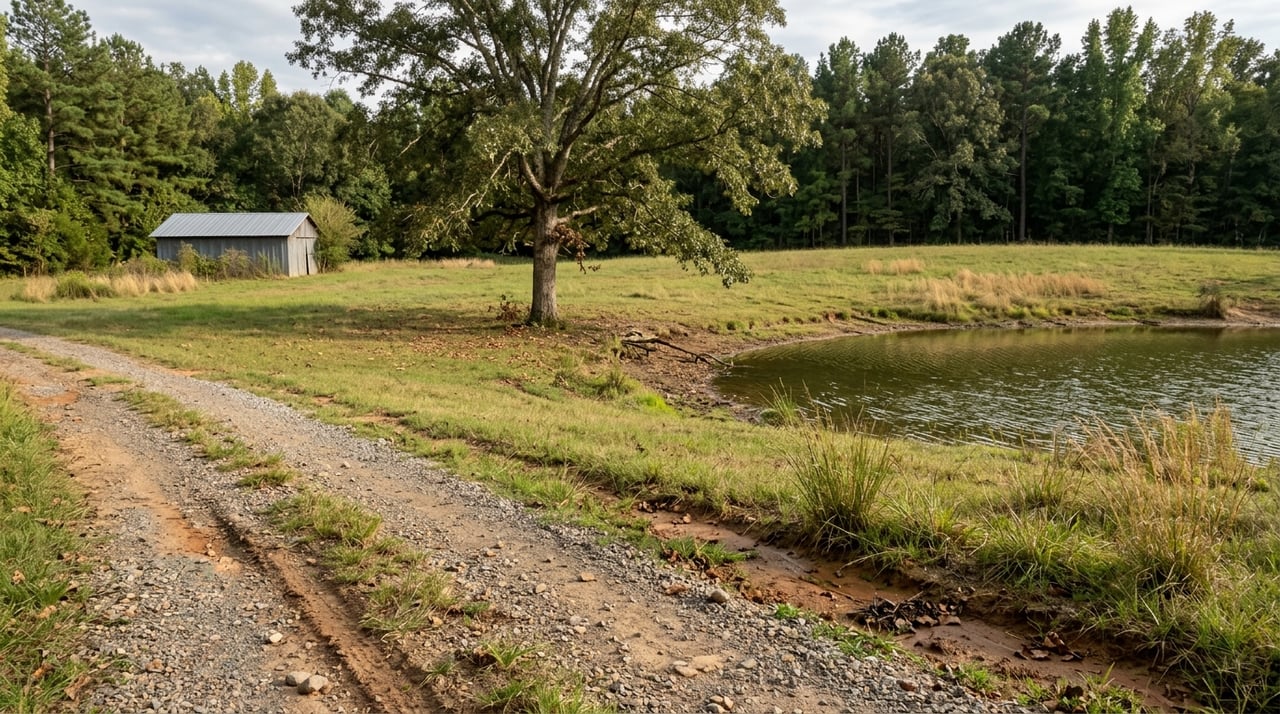
Start with the access points you depend on most. Look at gates, road edges, low spots, stream crossings, and any place where runoff is collecting or moving too fast.
The Georgia Forestry Commission recommends planning road work with water-quality protection in mind. Practical tools like water bars, rolling dips, and broad-based dips help move water off roads and reduce erosion and sediment buildup. If you own wooded acreage, this is one of the most important winter checklists on the property.
Plan forestry and habitat work
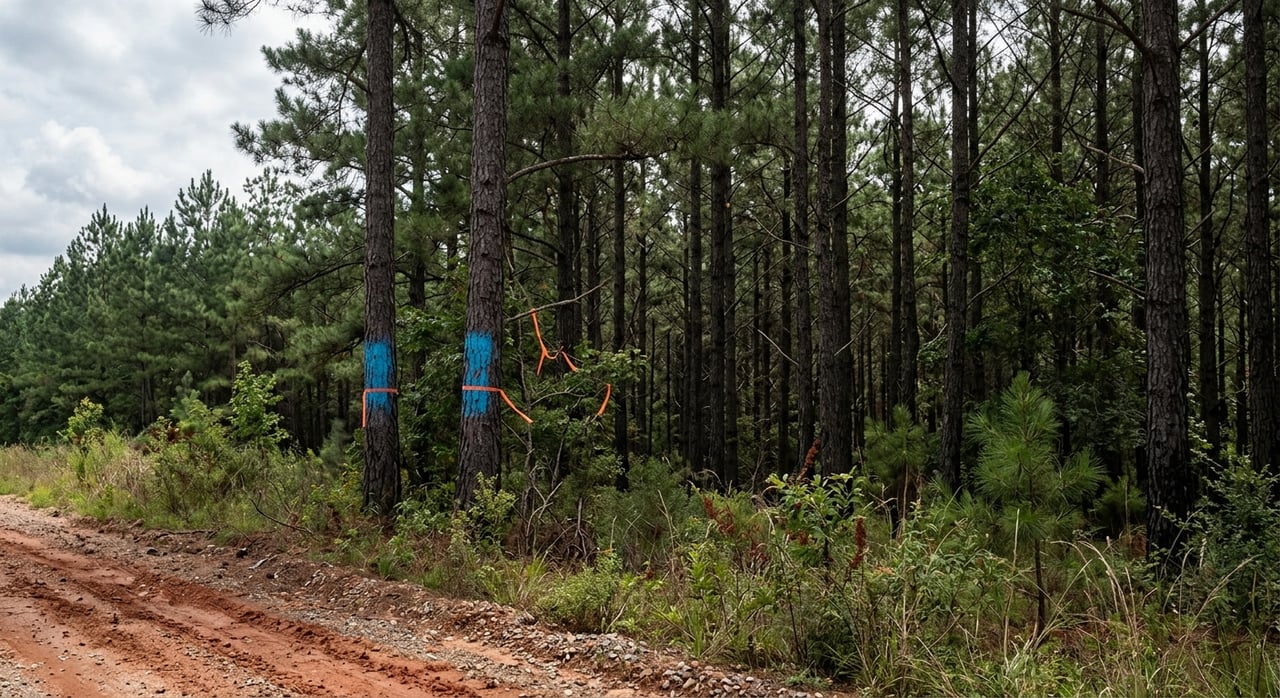
Winter is also a strong planning window for habitat improvements and forestry projects. If you are thinking about thinning, cleanup, trail layout changes, or future site prep, this is the time to map out the work before spring growth speeds everything up.
Keep the focus simple: protect access, keep water off bare soil, and line up any help you may need before the busy season starts. A little planning in winter often saves time and repair costs later in the year.
Prepare carefully for prescribed fire
If prescribed burning is part of your land management plan, winter is the time to get organized. The Georgia Forestry Commission says a prescribed burn should include a written burn plan, a tract map, identified smoke-sensitive areas, and a burn permit.
Those are not minor details. If you plan to use fire, treat the permit, plan, and safety prep as essential first steps, not last-minute paperwork. GFC can also help with planning and on-site support, but the landowner must initiate the fire.
Spring acreage jobs to schedule wisely
Spring is when many Taliaferro County landowners want to get moving fast. That makes sense, but timing matters more than speed during this season.
Watch frost before planting
Before you plant anything, pay attention to frost risk. UGA frost-date resources using Athens as a nearby benchmark show last-frost probability windows around March 1 to 10 for the 90% window, March 11 to 20 for the median, and April 1 to 10 for the 10% window.
That does not mean every tract in Taliaferro County will follow the exact same pattern. It does mean late winter and early spring should be treated as a cautious planting window, especially if you are establishing plots or forage that can be set back by a late cold snap.
Test soil before food plots
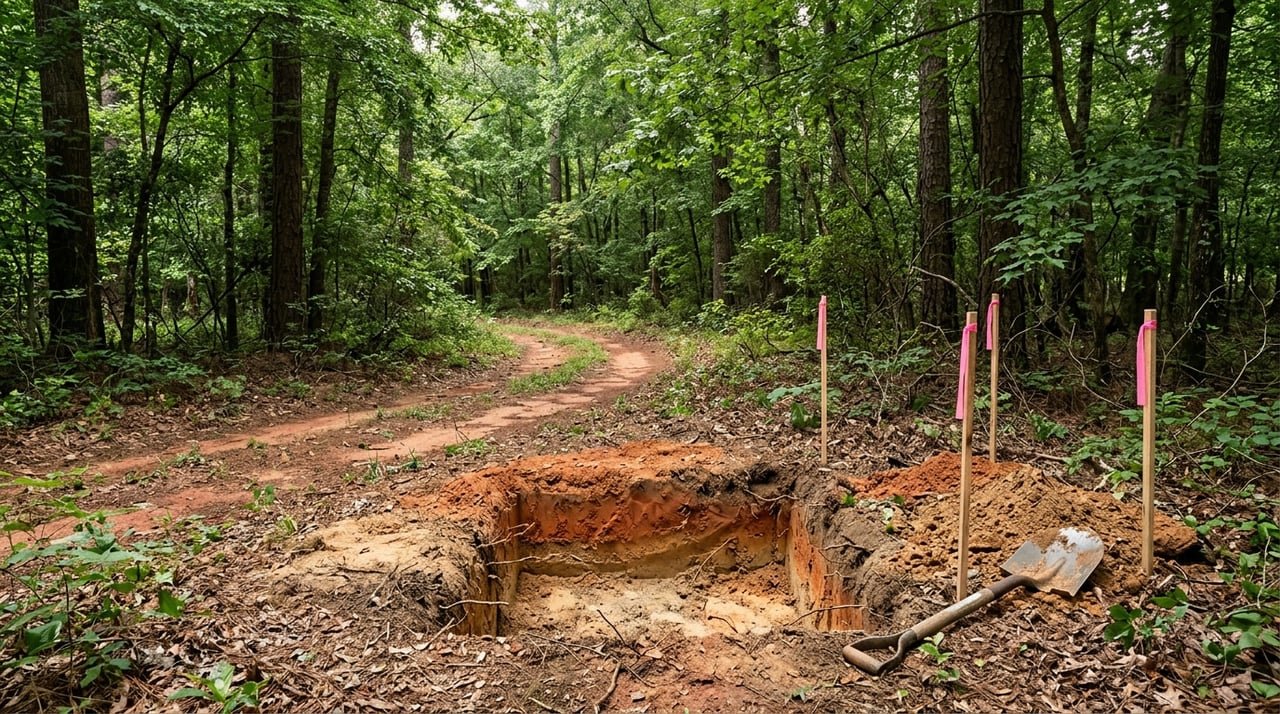
For food plots and planted areas, the strongest rule is simple: test first, plant second. UGA Extension notes that many Georgia soils are low in pH and often short on key nutrients, so guessing at lime and fertilizer can waste money and hurt results.
UGA also recommends lime well ahead of establishment because it reacts slowly in the soil. For many food plot setups, that means applying lime two to three months before planting instead of trying to fix everything on planting day.
Schedule work around spring hunting use
If your tract is used for turkey hunting, spring maintenance should fit around that activity. Georgia’s 2025 to 2026 season dates list turkey season on private land from March 28 to May 15, 2026.
That timing matters if you were planning noisy mowing, lane clearing, or burn cleanup during the same window. If possible, handle the heaviest disturbance before the season starts or after it closes.
Summer maintenance for access and growth
Summer in this part of Georgia is usually a maintenance season. Hot weather, frequent rain, and fast vegetation growth can change a property quickly.
Keep lanes and roads open
The basic summer goal is access. Mow lanes, trim back brush, and check roads and trails after heavy rain so you can catch drainage problems before they turn into washouts.
This lines up with Georgia Forestry Commission best management practices. When roads stay drained and disturbed areas stay protected, you reduce erosion and keep the property easier to use through the rest of the year.
Monitor plots and browse pressure
If you planted earlier in the year, summer is the time to watch how those plots are holding up. UGA notes that deer can over-browse food plots before they are fully established, which can reduce stand success.
You should also keep an eye on weed pressure and thin spots. It is easier to adjust management when problems are still small than to restart the whole plot later.
Walk the property after storms
Summer storms can reveal issues you will not notice from the gate. Walk low areas, creek crossings, culverts, and any recently disturbed ground after periods of hard rain.
Look for standing water, fresh rutting, exposed soil, or places where runoff is starting to cut channels. These checks are simple, but they help you stay ahead of repairs and protect long-term usability.
Fall planning for cool-season use
Fall is when many acreage owners shift from maintenance mode into preparation mode. It is the key season for cool-season planting and final access work before heavier recreational use begins.
Plant cool-season food plots
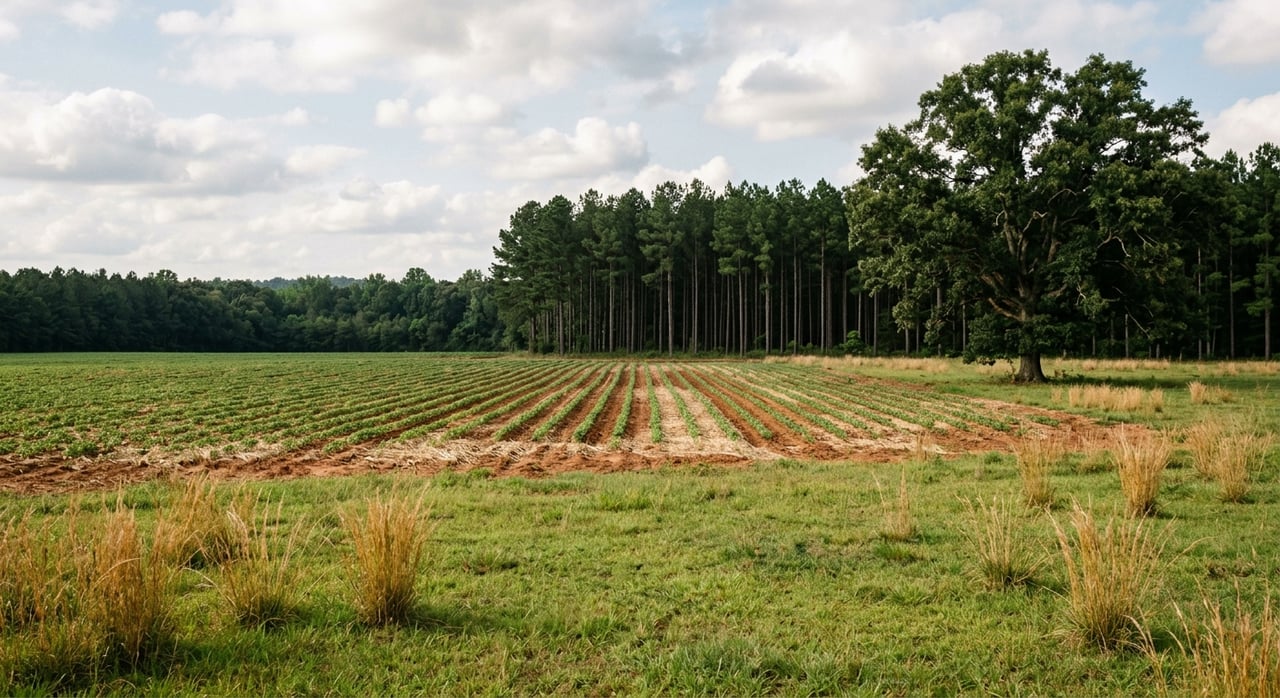
UGA Extension says fall is the main planting window for cool-season wildlife food plots. Winter annual legumes can be planted in fall for late-fall and spring forage, and crimson clover is commonly used with ryegrass or small grains on well-drained soils.
UGA forage guidance notes that crimson clover planting in Georgia typically falls in the late September-to-October range, with timing shifting by region. For Taliaferro County owners, that makes early fall planning important if you want lime, seedbed prep, and planting to line up on time.
Finish mowing and access cleanup
Before hunting traffic and fall use pick up, finish the practical work that keeps the tract functional. That usually means final mowing, gate checks, basic trail clearing, and making sure primary entry routes stay passable.
This is also a good time to confirm that your property is set up for quiet, low-disturbance use. Once activity increases, you want the major cleanup already done.
Note key hunting season dates
Georgia’s 2025 to 2026 hunting calendar lists dove season opening September 6, 2025, deer archery season opening September 13, 2025, and firearms deer season beginning October 18, 2025. If your tract is used for hunting, these dates help shape your fall work schedule.
Try to finish the loudest or most disruptive projects before seasonal traffic increases. That keeps access smoother and helps you use the property more intentionally during the busiest months.
Your year-round landowner checklist
Some tasks matter in every season, not just once a year. If you keep these priorities in front of you, your acreage will usually stay easier to manage.
- Check roads, culverts, and trails regularly
- Keep water moving off roads and disturbed ground
- Soil test before making plot or fertility decisions
- Apply lime early when soil results call for it
- Watch for brush pressure and overgrowth around access points
- Monitor food plots for browse pressure and weeds
- Plan habitat work before peak growing season
- Treat prescribed fire permits and burn plans as essential
- Adjust heavy work around active hunting use
- Use local support when you need county-specific guidance
A local resource worth knowing
For Taliaferro County owners, one of the most useful local contacts is the UGA Extension satellite office in Crawfordville at 119 Commerce St NW, supported through the Greene County Extension Office structure. This is a practical place to start if you need soil testing help, forage guidance, or county-specific timing advice.
That kind of local input can be especially helpful when you are managing a tract with mixed uses like timber, recreation, wildlife habitat, or light agricultural activity. On land, small timing choices often have outsized results.
Managing acreage in Taliaferro County is easier when you work with the seasons instead of reacting to them. If you are buying, selling, or evaluating rural property and want a land-focused team that understands access, timber, due diligence, and parcel-level decision making, connect with Georgia Land Brokerage.
FAQs
What should Taliaferro County landowners do first each year?
- Start by inspecting roads, culverts, gates, trails, and drainage. Access and erosion issues are easier and cheaper to fix when you catch them early.
When should you plant food plots on Taliaferro County acreage?
- Spring planting should follow the local frost-free period, and fall is the main window for cool-season plots. Soil testing and early lime application should happen before planting.
Why are soil tests important for Taliaferro County land?
- UGA Extension notes that many Georgia soils are low in pH and may lack key nutrients. A soil test tells you what lime and nutrients are actually needed.
What does prescribed burning require on Taliaferro County property?
- The Georgia Forestry Commission says prescribed burning should include a written burn plan, a tract map, identified smoke-sensitive areas, and a burn permit.
When should you schedule major maintenance on hunting land in Taliaferro County?
- Winter and early spring are often best for major access and habitat work. In fall and spring, it helps to schedule loud or disruptive work around active hunting seasons.
Where can Taliaferro County acreage owners get local land management help?
- A useful local starting point is the UGA Extension satellite office in Crawfordville, which can help with soil tests, forage questions, and practical county-specific guidance.