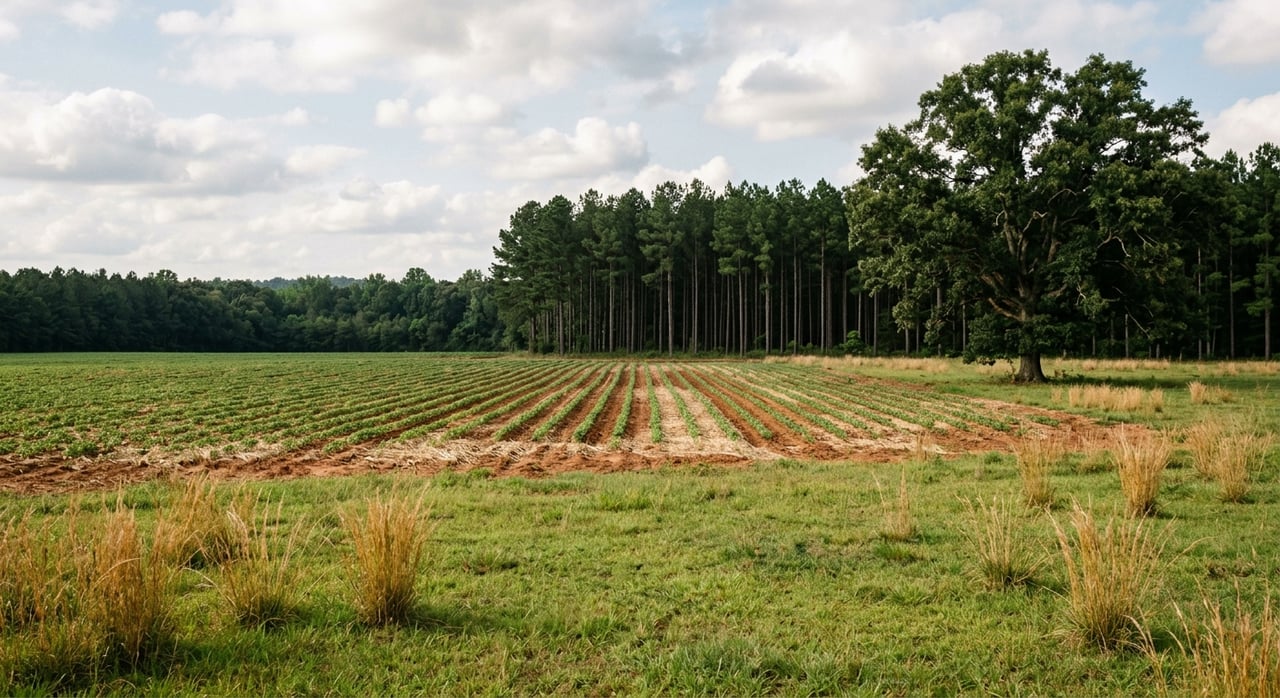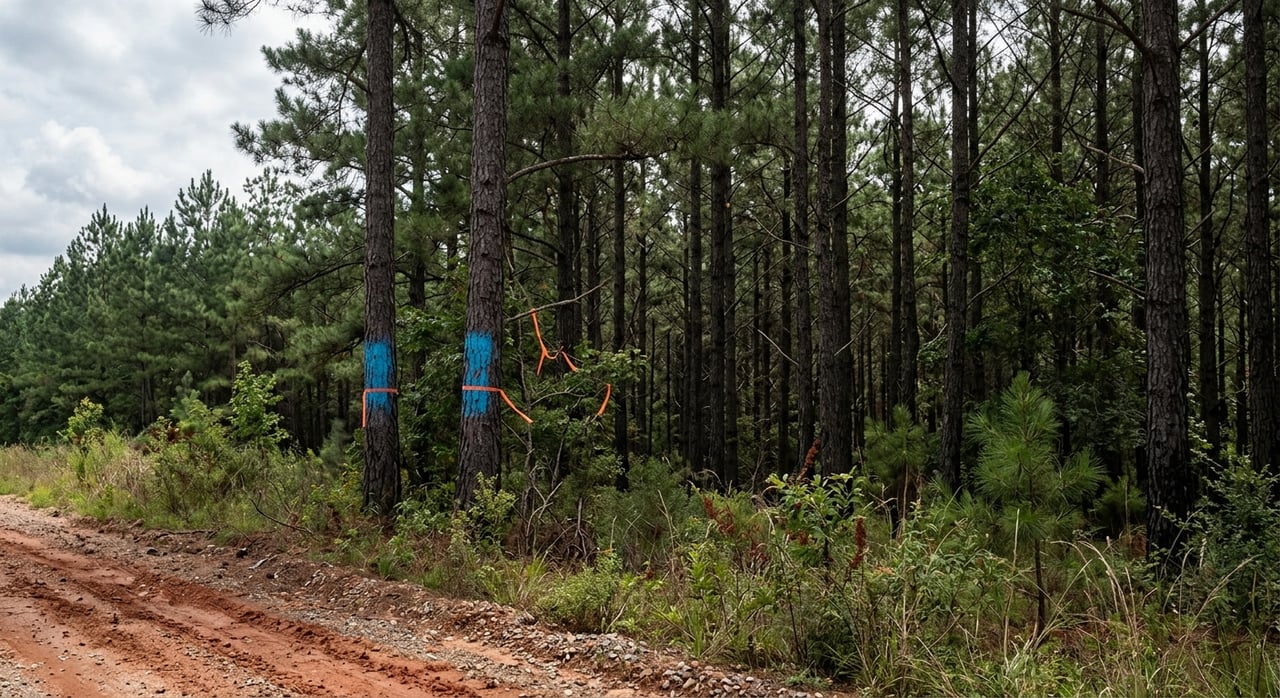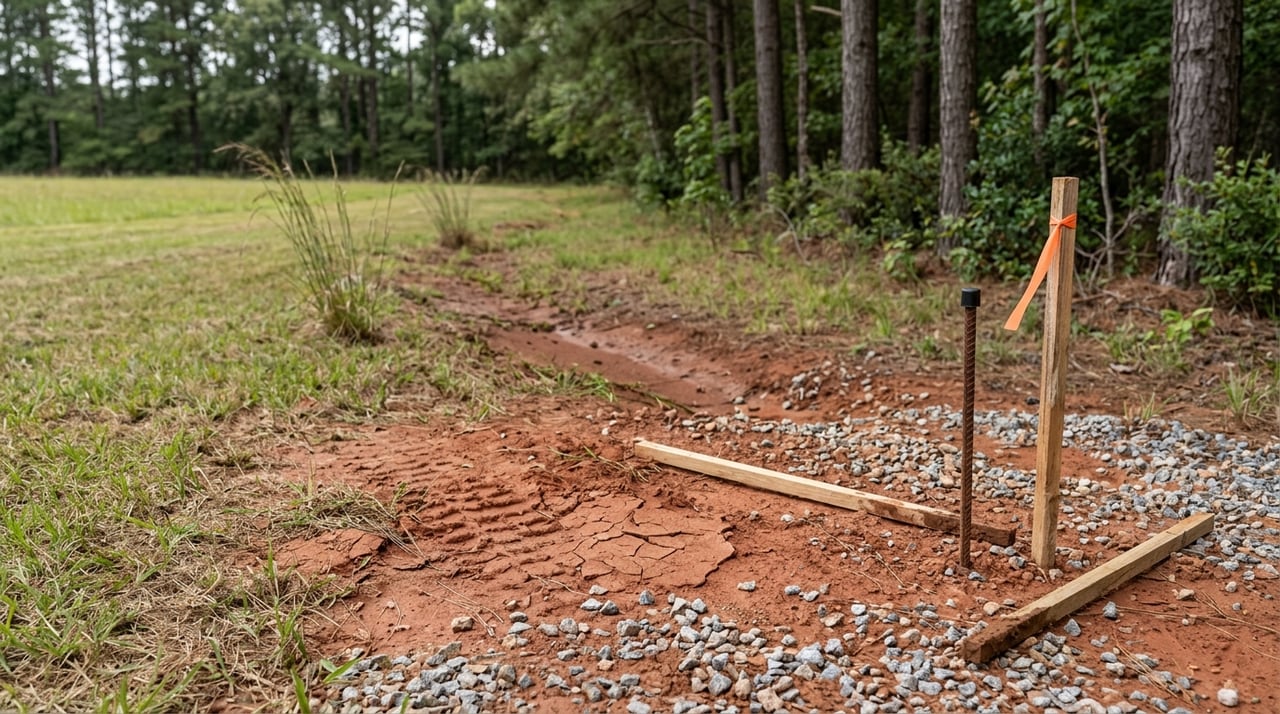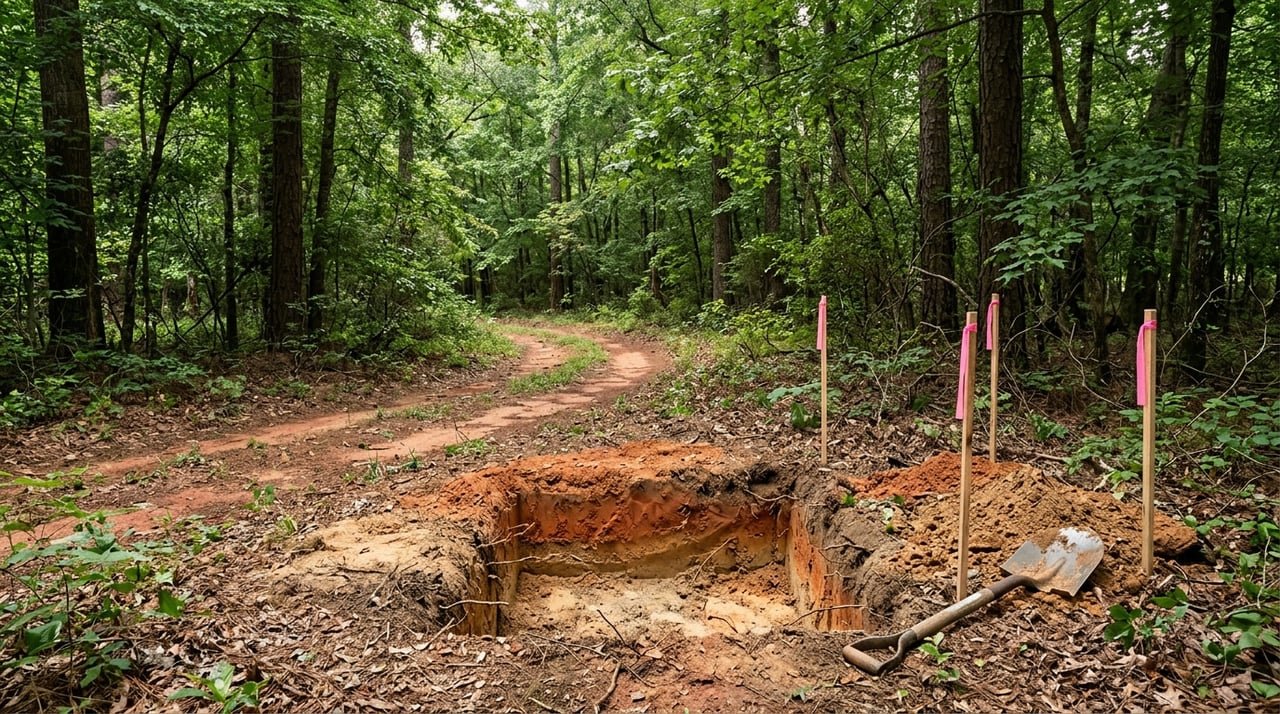
If you are shopping for land in Elbert County, one question matters more than almost anything else: can you actually build on it? A parcel can look perfect on a map and still hit roadblocks when you get into septic, zoning, access, and utilities. The good news is that you can avoid expensive surprises if you know what to check before you make an offer. Let’s dive in.
What makes acreage buildable in Elbert County?
In Elbert County, buildability usually comes down to four basics: zoning, septic feasibility, legal access, and utility service. County planning staff say a building permit requires the property to be zoned appropriately or located in an approved subdivision.
That same county process also matters for smaller tracts. Parcels under 35 acres must go through subdivision review before development. The county building permit application also asks for a septic permit number and a site plan showing the well, septic system, house, other buildings, and driveway locations.
Check zoning before anything else
Zoning tells you how the county currently classifies the land. Elbert County’s ordinance divides land into six zoning districts: A, RR, R1, R2, GB, and IND.
For many acreage buyers, the A and RR districts are the most relevant. The county ordinance lists a minimum lot size of 10 acres in A and 5 acres in RR, with minimum lot widths of 300 feet and 200 feet.
That sounds simple, but there is an important catch. A parcel can seem agricultural in everyday terms and still require a rezone, subdivision review, or both before a home can be permitted.
Why usable land matters
The county does not treat every square foot of a tract as buildable. For density calculations, Elbert County excludes poorly drained or very poorly drained soils, slopes over 25 percent, and land in the 100-year floodplain.
Roads, easements, and amenities can also reduce usable land. So if you are looking at a narrow tract, a creek tract, or land with steep ground, the advertised acreage may not reflect the actual buildable area.
Questions to ask about zoning
Before you move forward on a property, ask:
- What is the current zoning district?
- Is the parcel already a legal lot for development?
- Will subdivision review be required?
- Is a rezone needed for the intended use?
- How much of the tract counts as usable land under county rules?
Septic and soils often decide the deal
For many rural parcels, septic is the real gatekeeper. Elbert County Environmental Health handles septic permits, repair permits, existing system evaluations, site evaluations, and subdivision plan reviews.
Georgia also requires an on-site sewage permit before installation. In practice, that means a tract is not truly ready for a home unless the soils and layout support a septic system.
Elbert County lot-size rules for septic
Elbert County’s Board of Health lot-size ordinance sets specific minimum standards. A lot served by public water must have at least 25,500 square feet of usable soil area. A lot served by non-public water must have at least 51,000 square feet of usable soil area.
The ordinance also requires minimum lot widths of 100 feet for lots with public water and 150 feet for lots with non-public water. Those numbers are minimums, not guarantees.
Why a big tract can still fail
Acreage alone does not guarantee septic approval. The county ordinance says larger lots may be required when slope exceeds 5 percent, percolation rates are slower than 45 minutes per inch, subsurface drainage is needed, or site topography and foundation work make the lot harder to build on.
The ordinance also excludes several areas from the lot-size calculation. That includes rights-of-way, certain easements, steep slopes, bodies of water, land within 50 feet of lakes, rivers, streams, wetlands, flood plains, and other limiting factors.
For a typical three- or four-bedroom home, the county notes that lot-size assumptions already include basic appurtenances like a driveway, minimum trees, and a water supply line. Larger homes, pools, tennis courts, or outbuildings may require even more site area.
What to verify on septic
If you are evaluating acreage, ask for any existing:
- Septic permit
- Site evaluation
- Soil report
- Soil classifier report
- Existing system evaluation, if a prior homesite exists
If none of that is available, you may want to line up your due diligence before closing. On rural land, septic suitability can make or break the plan.
Legal access is not just a detail
Access issues can stop a build long before construction starts. Elbert County subdivision standards require each lot to front on a public road or have access by an accurately described driveway or easement shown on a plat of survey.
That means “it looks accessible” is not enough. You want recorded, documented access that matches the survey and the county’s standards.
Easements, frontage, and driveway planning
The code also requires utility easements to be at least 20 feet wide wherever possible. If a subdivision is crossed by a watercourse, drainageway, or stream, drainage easements may also be required.
Those easements can affect where you place a home, driveway, well, and septic field. On smaller tracts, they can shrink the practical build envelope faster than buyers expect.
Road condition still matters
Even if a parcel has legal access, the road itself matters. Elbert County’s Road Department maintains and repairs county roads to keep travel safe, but buyers should still look closely at road condition, culvert placement, and driveway design.
That is especially true for tracts with elevation change, creek crossings, or long proposed driveways. A property can be legally accessible and still need meaningful site work before it is convenient to use.
Utilities can change the real cost
Utilities are often the most overlooked part of a land purchase. Elberton Utilities serves the city of Elberton and some nearby areas in unincorporated Elbert County, but coverage is not countywide.
According to the utility system, it provides electric, natural gas, water, wastewater, and broadband services in its service areas. The water division serves more than 3,600 water service locations, and the wastewater division serves more than 2,500 wastewater locations.
Why parcel-level utility checks matter
Service territory can vary from one parcel to the next. Before you buy, confirm the exact provider, meter location, and whether any extension costs apply.
That step matters just as much as the soil work. A tract may support a house on paper, but utility extension costs can change your budget or your building plans.
Don’t overlook land-disturbance permits
If your project involves clearing, grading, or other land disturbance, Elbert County has a separate permit process. The county says those permits must be approved before the permit is issued.
The application also lists a fee of $40 per acre plus $4 per each tenth of an acre. If you are planning a driveway, homesite prep, or major grading, this is worth checking early in the process.
A simple pre-offer checklist
Before you put acreage under contract in Elbert County, work through this list:
- Confirm the current zoning district.
- Ask whether subdivision review is required.
- Verify the lot is eligible for a building permit.
- Check for an existing septic permit, site evaluation, or soil report.
- Confirm the tract meets usable-soil and width requirements.
- Verify public-road frontage or recorded access easement.
- Review survey details for utility and drainage easements.
- Confirm electric, water, wastewater, natural gas, and broadband availability.
- Ask whether land-disturbance, driveway, electrical, or building permits will be needed before site work.
Why this matters before you write the offer
The safest land buyers verify the hard stuff first. In Elbert County, a tract can be large enough on paper and still fail the buildability test if the soils do not perc, the access is weak, or utilities are too far away.
That is why parcel-level due diligence matters so much. When you understand zoning, septic, access, and utility service up front, you can make a cleaner offer and move forward with more confidence.
If you are sorting through acreage in Elbert County and want a practical read on the next steps, Georgia Land Brokerage can help you evaluate the details that often decide whether a tract is truly buildable.
FAQs
What zoning should you check for Elbert County acreage?
- You should confirm the parcel’s current zoning district, whether it is a legal lot for development, and whether rezone or subdivision review is required before a home can be permitted.
What septic rules matter for Elbert County land?
- You should verify whether the lot has enough usable soil area, required width, and acceptable site conditions for septic approval, since acreage alone does not guarantee a buildable homesite.
What counts as legal access for Elbert County land?
- A lot should front on a public road or have a recorded driveway or easement shown on a plat of survey, not just informal or assumed access.
What utility services should you confirm for Elbert County acreage?
- You should confirm the exact availability of electric, water, wastewater, natural gas, and broadband at the parcel level, along with any meter or extension costs.
What permits might be needed before building in Elbert County?
- Depending on the property and project, you may need subdivision review, a septic permit, a building permit, and possibly a land-disturbance permit before clearing or grading begins.