Putting your property on the market can be a stressful process, especially when you don’t know what to expect. Fortunately, with the help of an experienced team of real estate agents and this easy to follow guide, you can smoothly complete the process. Following these steps will help you prepare so you can get organized and sell your property for the best price possible.​​​​​​​
Contact Us for a Consultation
Why are you selling the land? To free up capital, to move, or because the land no longer fits your plans?
Knowing whether you're selling quickly or want to maximize profit helps you make the right decisions: price, marketing, and negotiation strategy.
Conduct a comparative market analysis (CMA) by looking at similar land sales in your area (acreage, zoning, access). SellofLand+1
Get an appraisal from someone experienced with undeveloped land.
Consider the “highest and best use” of your property — is it more valuable as farmland, subdivided lots, or recreation? SellofLand
Mark the boundaries clearly with survey stakes and flagging tape so buyers can easily see the parcel’s shape and size. Sell Land Quickly
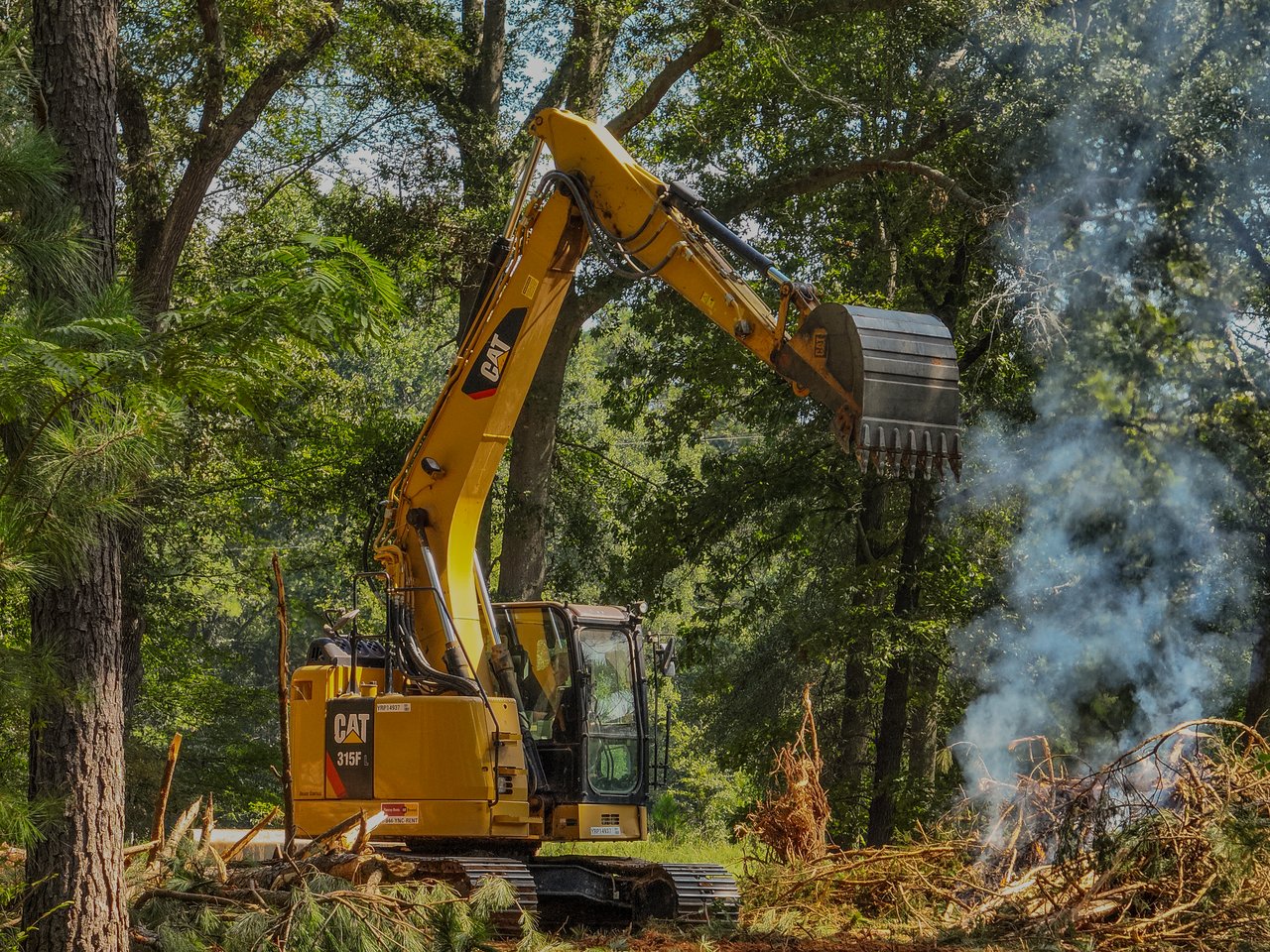
Maintain the land: clear debris, mow if needed, and ensure it's visually appealing. Sell Land
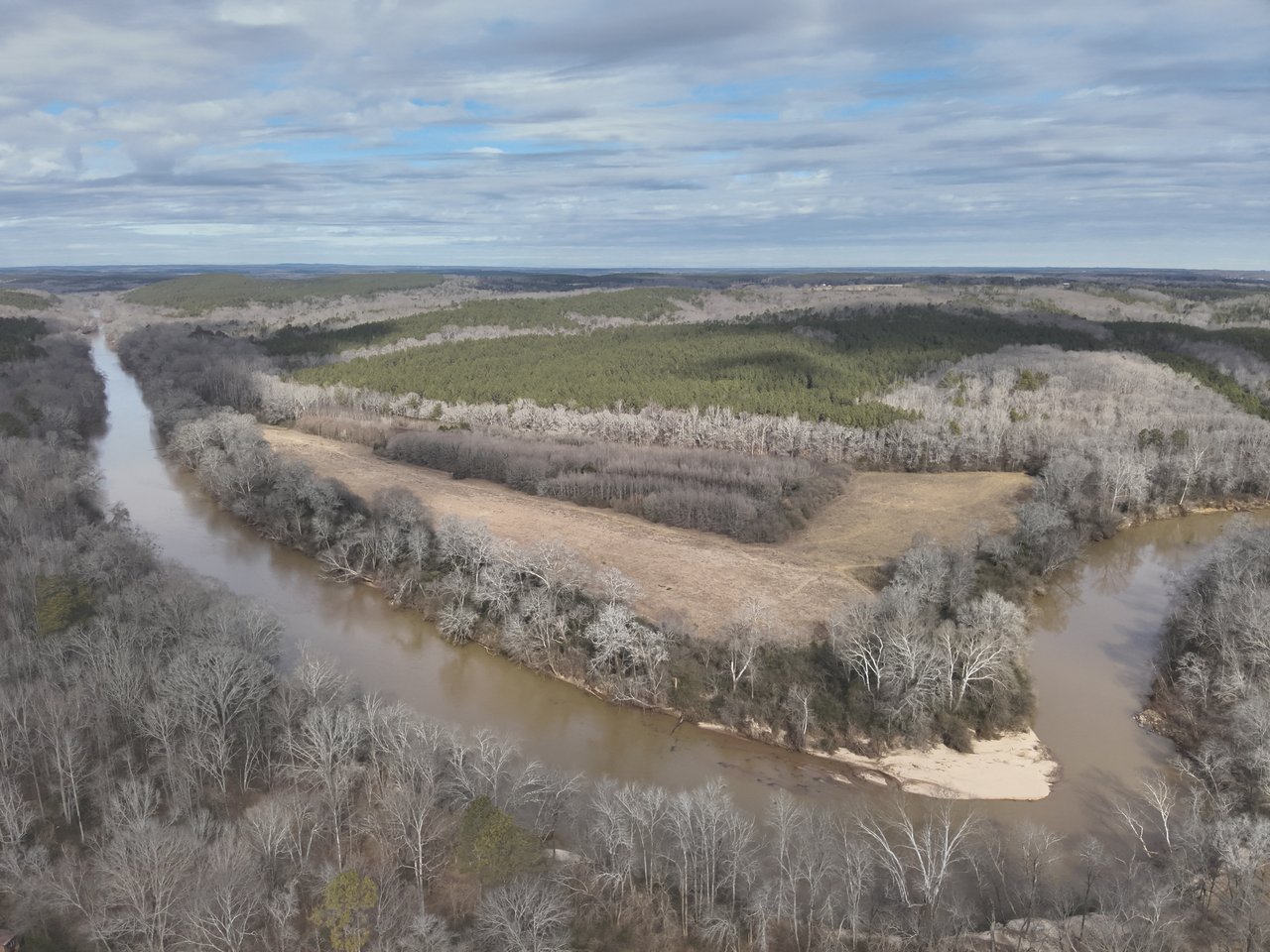
Invest in professional visuals: aerial imagery via drone, topo maps, plat maps, and even 3D terrain or GIS visualizations can massively boost buyer interest. Superland Buyer
Develop a listing that’s rich in detail: acreage, zoning, utility availability, access, taxes, and potential uses. SellofLand+1
Post your listing on land-specific platforms (e.g., LandWatch, Land And Farm) and more general real estate sites. Land Boss
Use both online and offline marketing: local signage, print materials, postcards to neighboring landowners, and agent-to-agent referrals. SellofLand
Target the right audience: recreational buyers, developers, investors, agriculture users — depending on your land’s best use.
Be ready to evaluate different types of buyers: cash buyers, investors, developers. Cash offers often close faster. SellofLand
Consider offering seller financing to attract buyers who might not qualify for traditional land loans. SellofLand
Set your negotiation strategy: know the lowest acceptable price, what contingencies you’ll accept, and what you’re able to be flexible on (closing date, financing terms).
Order a survey and title report before finalizing the deal to avoid issues at closing. SellofLand
Work with a title company familiar with land transactions, especially if there are easements or unusual title issues.
Be cautious of absentee buyers or unsolicited offers who push for “quick cash” closings — some may be red flags. National Association of REALTORS®
Verify buyer identity, and don’t accept anonymous offers without proper proof of funds or legitimacy.
Keep copies of all survey, title, and closing documents — they may be useful if future buyers want to re-sell or subdivide.
If you’re retaining nearby parcels, reflect on how this sale impacts your future land strategy.
If your land is being developed, consider collaborating with the buyer on future phases (subdivision, utility planning, etc.) — this could enhance value for both parties.
Once you have sold your property, you’re free to take the next step on your journey. Whether this is relocating to a new city, moving into a larger property, or downsizing and enjoying your life as empty-nesters, knowing all your selling responsibilities have been taken care of will help you achieve peace of mind for your new path.
Work with them for expert, countryside real estate service in Georgia. Their local heritage, land-and-farm focus, and client-first approach make your buying or selling journey clear, strategic, and rewarding.