Ever picture a quiet weekend where the loudest sound is wind in the pines and a turkey gobble at first light? If you’re eyeing a hunting base in Georgia’s Piedmont, Taliaferro County offers privacy, rolling hills, and working timber tracts that feel a world away. You want reliable game, straightforward access, and a place you can manage over time without surprises. This guide breaks down what ownership feels like, what you can hunt, how to improve habitat, and the key checks before you buy. Let’s dive in.
Taliaferro County landscape
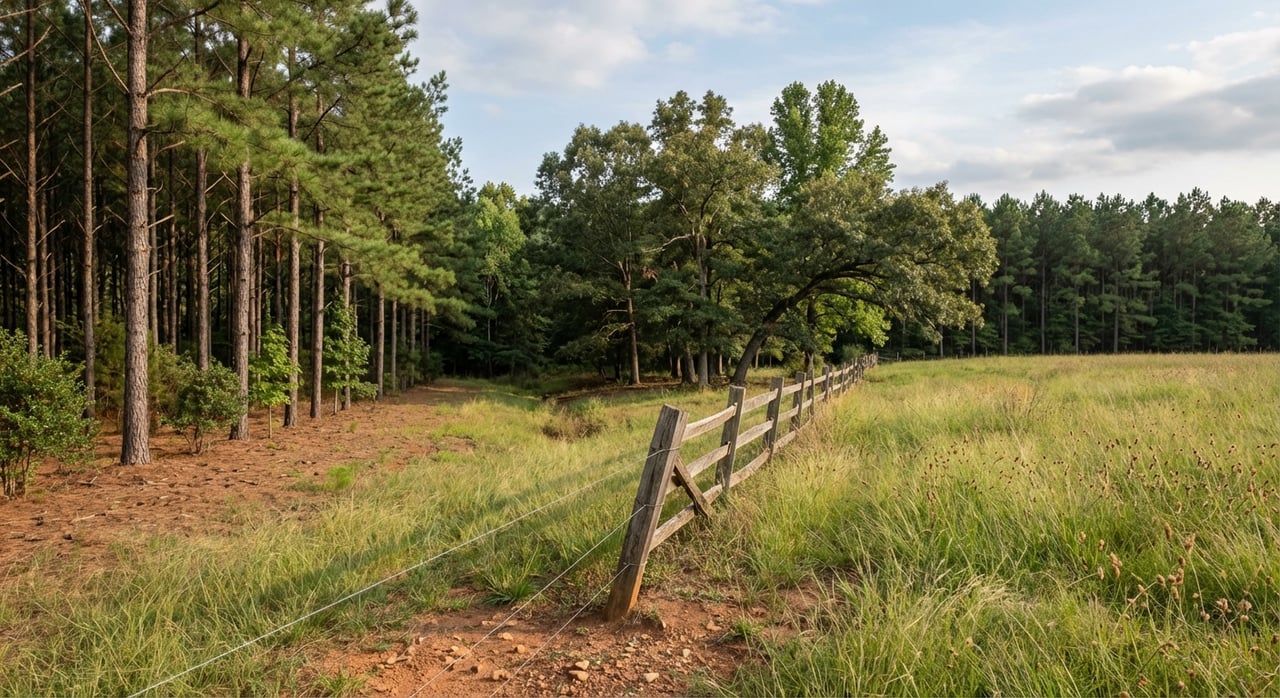
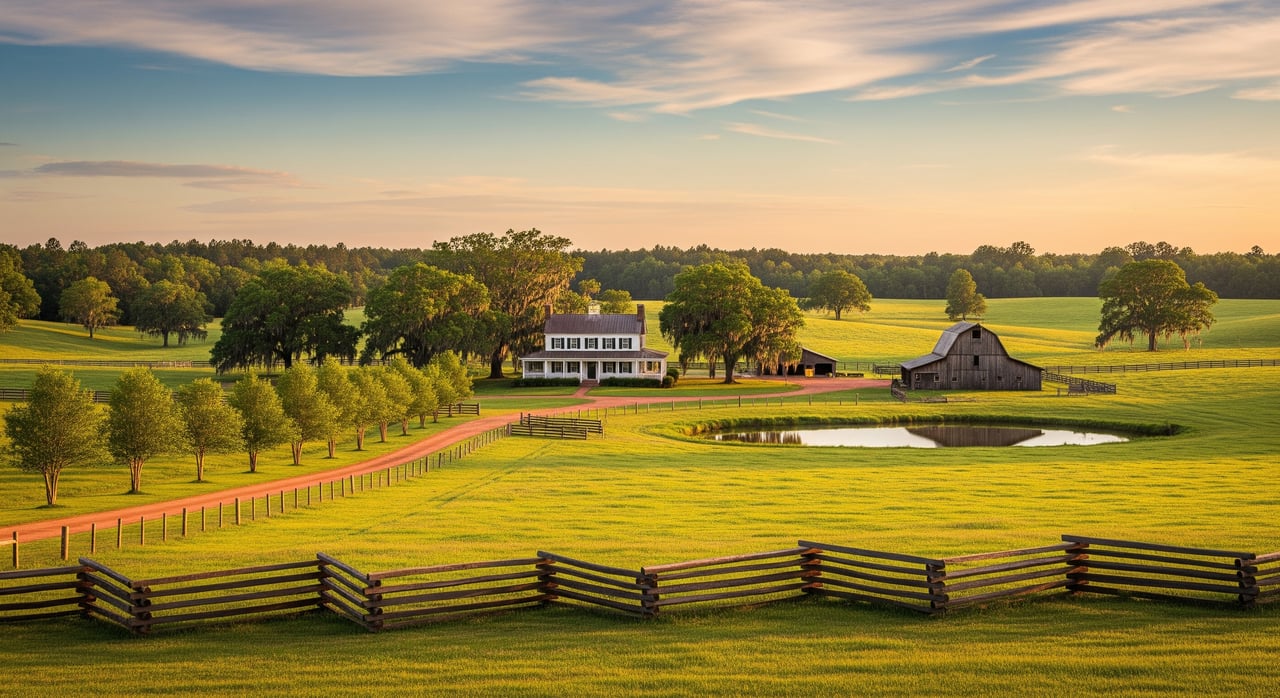
Taliaferro is one of Georgia’s smallest, most rural counties. You’ll find rolling Piedmont terrain, intermittent creeks, and classic red clay soils. Land use is mostly timber and pasture with scattered small farms and low-density homes. Local amenities are limited, so plan on nearby towns for larger shopping and services.
Utilities vary by parcel. Some tracts have electric service and older wells or septics. Others are raw timberland with no improvements. Always confirm service availability parcel by parcel.
Game species and seasons
White-tailed deer anchor most private hunting in the Piedmont. You’ll also see Eastern wild turkey, small game like squirrels and rabbits, and migratory birds such as mourning dove. Feral hogs occur across much of Georgia and can damage roads, plots, and wetlands. Predators and furbearers, including coyote, raccoon, and bobcat, are part of many management plans.
Seasons and bag limits are set by Georgia Department of Natural Resources. Deer seasons typically include archery, primitive weapons, and modern firearms in fall and winter. Turkey has a spring season, and migratory birds follow statewide frameworks. Most hunters need a valid state hunting license and species tags or permits, and you should always confirm current-year regulations.
On private land, you must follow state rules. Landowners can post property against trespass, and hunting without permission is illegal. Feral hog control is common on private land and may be allowed year-round in many areas, but confirm the latest state rules before you plan control methods.
Land types and habitat
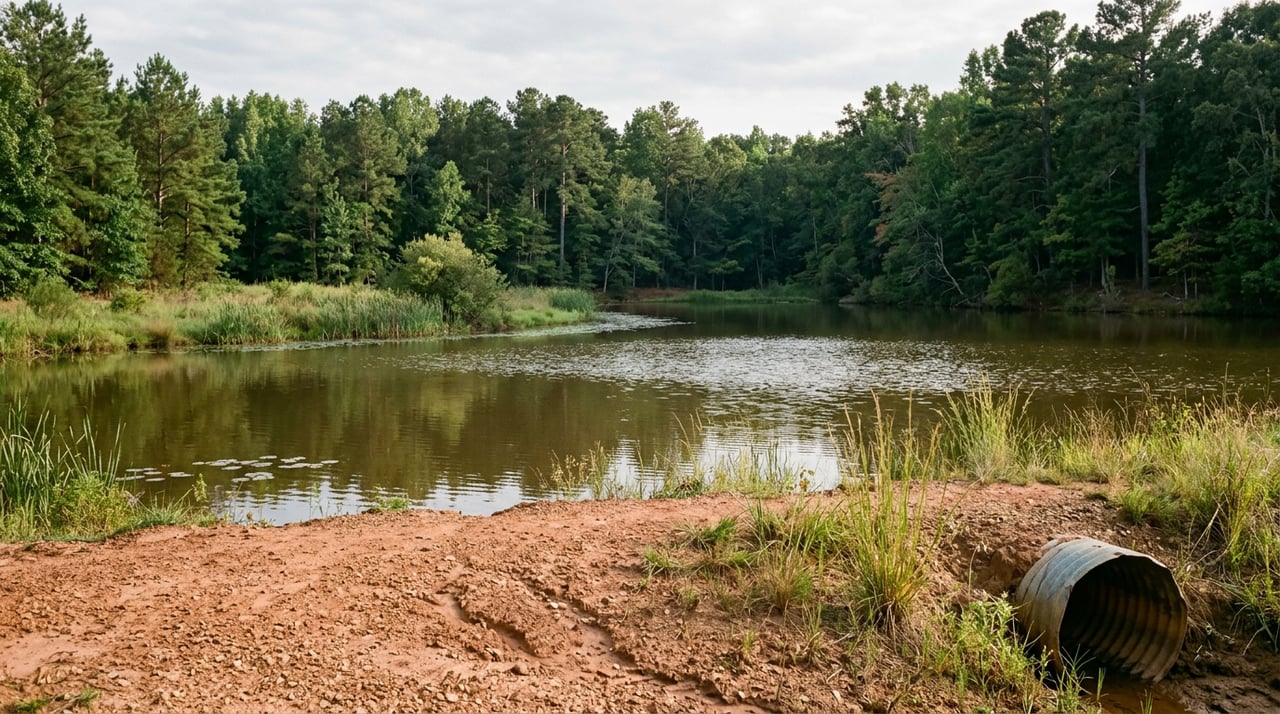
You’ll see loblolly pine plantations, mixed pine stands, and hardwood ridges with oaks and hickories. Bottomland hardwoods track along creeks and small drainages. Permanent water, including small ponds and reliable streams, boosts winter survival and holds deer and turkey. Large wetland or waterfowl systems are less common here than in coastal regions.
Common habitat tools include:
- Timber management with thinning or selective harvest to open canopy and grow understory forage.
- Food plots with small grains, legumes, and seasonal forage to attract deer and turkeys.
- Prescribed fire on pine sites to reset understory and control hardwood encroachment. Use trained applicators and proper permits.
- Timber stand improvement and mast tree promotion to favor oaks and other producers.
- Feral hog control through trapping and legal removal methods to reduce damage.
What ownership feels like
Weekends are quiet and hands-on. You’ll maintain trails, roads, and gates, plant and mow food plots, refresh stands, and watch cameras. Many owners coordinate periodic timber work to improve habitat and generate income. Socially, expect a mix of solo time, family hunts, and neighbor relationships. Some owners lease a few rights to trusted hunters to share costs and workload.
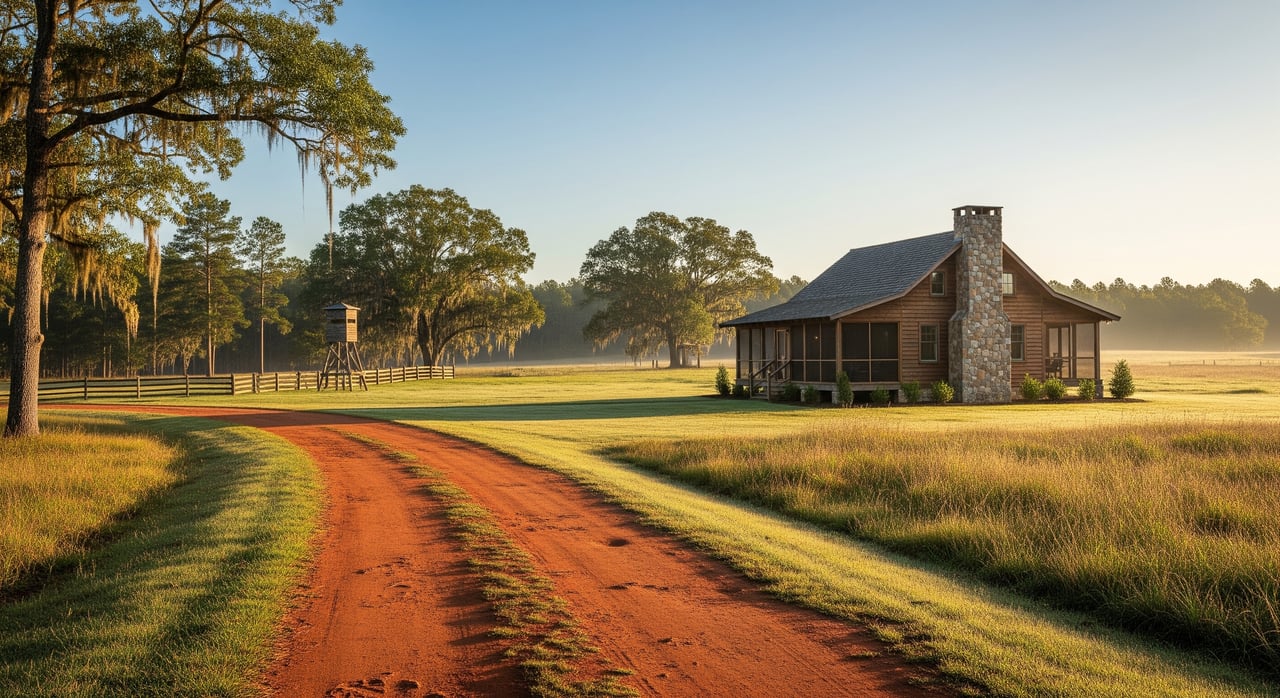
Amenities range widely. Some tracts are turnkey with cabins, plots, stands, and a good trail network. Others are raw timberland that need initial investment to become weekend-ready.
Parcel size and access
Recreation buyers often aim for 20 to 100 acres for privacy and a consistent deer presence. Larger tracts help control hunting pressure and reduce edge effects. Smaller parcels can work if surrounded by working forests or compatible land uses.
Access matters. Verify deeded ingress and egress, not just a historic farm path. Walk roads and stream crossings in wet weather so you know how the property performs when it counts.
Buyer checklist
Legal and access
- Deeded access or recorded easement for ingress and egress.
- Any hunting leases, encumbrances, or boundary disputes.
- Zoning, local ordinances, and deed restrictions.
Habitat and wildlife
- Cover types, age classes, and mast-producing trees.
- Water sources like ponds, creeks, or seeps.
- Evidence of deer, turkey, or hog activity.
Infrastructure
- Road and trail conditions in wet and dry seasons.
- Utilities: power availability, well and septic suitability.
- Improvements: cabin, storage, fencing, plots, stands or blinds.
Management and income
- Timber species, stand age, harvest history, and potential value.
- Soil types that influence productivity and access.
- Eligibility for cost-share or conservation programs.
Neighborhood context
- Neighbor land use like row crops, residential, or managed pine.
- Hunting pressure on adjacent properties.
- Distance to nearest public roads and dwellings.
Seasonal routines
- Spring: turkey hunting, early planting for summer plots, thinning and maintenance.
- Summer: plot upkeep, boundary line work, road and pond maintenance, scouting.
- Fall: deer seasons from archery to firearms depending on dates, stand checks, harvest.
- Winter: habitat projects, timber work when feasible, planning for next year.
Leasing and costs
Leasing hunting rights can offset taxes and annual management costs. Use a written agreement that covers maintenance standards, safety, liability, trespass rules, and term length. Many owners carry liability insurance, especially when allowing guests or lessees. Confirm Georgia law on recreational use and talk with your insurer.
Common annual costs include seed, lime and fertilizer, fuel, trail and gate work, fencing, and camera or stand upgrades. Capital projects like cabins, wells, and driveways require one-time investment and basic permits.
Public access and programs
Public hunting options within Taliaferro County are limited. Many local hunters use private land or drive to neighboring counties with Wildlife Management Areas. If public access is important for you or your guests, verify nearby options before you buy.
Cost-share and technical help can stretch your budget. Look at USDA NRCS programs for practices like erosion control and habitat work, the Georgia Forestry Commission for timber and fire guidance, and UGA Extension for region-specific wildlife and forestry recommendations.
Getting started
Start with the basics: confirm legal access, walk every boundary, and note soils, water, and stand ages. Map food plot opportunities and stand sites, then plan a first-year project list you can actually complete. Talk with a Georgia-licensed forester for timber value and harvest timing, and review current Georgia DNR regulations before hunting.
If you want a clean, decision-ready path to a property tour, request a parcel packet with maps, aerials, access notes, timber context, and a practical next-steps plan. When you are ready to see tracts that fit your goals, reach out to Georgia Land Brokerage for specialist guidance.
FAQs
Do I need a hunting license on my own land in Taliaferro County?
- In most cases you need the appropriate Georgia hunting license and species tags on private land unless an exemption applies; confirm current Georgia DNR rules.
Can I hunt feral hogs year-round on private land?
- Feral hog control is common and may be allowed year-round in many areas, but methods and rules vary; check the latest Georgia DNR regulations before you plan.
What species should I expect on a typical Piedmont tract?
- White-tailed deer and Eastern wild turkey lead the list, with squirrels, rabbits, dove, coyotes, raccoons, and bobcats also present.
Is timber a reliable income source for my hunting property?
- Timber can provide periodic income through thinning or harvests, but value depends on species, age, access, and market conditions; consult a forester for estimates.
Are there public hunting lands in Taliaferro County?
- Options are limited within the county; many hunters rely on private land or travel to neighboring counties that host Wildlife Management Areas.
How big should my tract be for consistent deer hunting?
- Many weekend owners target 20 to 100 acres for privacy and workable deer numbers, while larger tracts help manage pressure and improve habitat control.
What should I know about prescribed burning?
- Prescribed fire is a proven tool on pine sites and requires proper planning, permits, and trained applicators; the Georgia Forestry Commission can provide guidance.
Will I have access to utilities on a rural tract?
- Some parcels have nearby power and older well or septic systems, but service varies widely; verify availability and capacity during due diligence.