Why do some acres in Taliaferro County sell fast and above ask while others sit for months? If you are eyeing land here for hunting, timber, or a rural homesite, it pays to know what really moves price. You want clear guidance you can act on without guesswork. In this guide, you’ll learn the local drivers that matter, the checks to confirm them, and the levers you can use to price or negotiate with confidence. Let’s dive in.
Taliaferro County land market at a glance
Taliaferro County is small, rural, and slow to change compared with metro counties. With a low population base and limited public utilities, land values are shaped more by agriculture, timber, and recreation than by subdivision or commercial pressure.
That means parcel features matter. Scarce attributes like creek frontage, ponds, and large, contiguous timber tracts often command premiums. Proximity to Crawfordville and the I-20 corridor also influences demand for buyers who want access to regional job and amenity centers.
You will see a mix of buyer types:
- Timberland investors who care about species mix, age class, and haul distance to mills.
- Recreational buyers who value water, habitat, and privacy for hunting and weekend use.
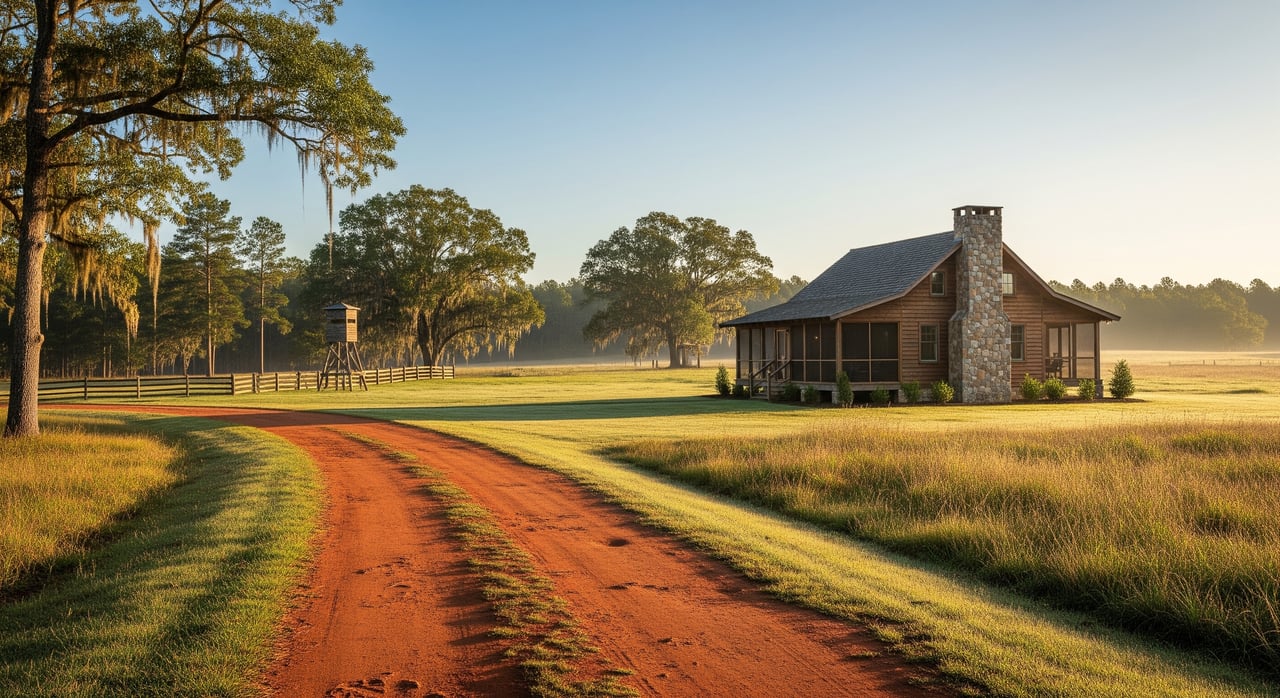
- Lifestyle buyers seeking buildable homesites with reliable access and utilities.
- Neighboring landowners expanding holdings.
- Conservation-minded buyers who target specific habitats or easement opportunities.
Each group values different things, so pricing hinges on how your parcel matches the likely buyer segment.
What drives price in Taliaferro County
Acreage size and shape
Larger, contiguous tracts often bring a higher per-acre price for investors and recreational buyers. They are easier to manage for timber and provide more privacy and internal use. Small parcels can sell for less per acre but attract lifestyle buyers who want a homesite.
Configuration matters. A compact, square or rectangular tract is usually worth more per acre than a long, narrow strip because the interior is more usable, and operating costs are lower. If a location realistically supports small-lot demand, subdivision potential can add value, but it depends on utilities, zoning, and real buyer demand.
Road frontage and legal access
Paved, public road frontage typically boosts price and marketability. Parcels on private or unimproved roads can see a discount. Good internal roads and a usable driveway are value adds for timber harvest, trucks, and recreation.
Legal access is just as important as physical access. Recorded easements and rights-of-way protect value. If access is not recorded, expect a smaller buyer pool and lower offers. Confirm frontage on county-maintained roads and review deeds for any access agreements.
Proximity to I-20 and regional centers
Distance to I-20 can move price. Shorter drive times to regional hubs increase appeal for commuters and for buyers who want quick trips for supplies and services. For timber owners, haul distance to mills affects stumpage value realized at harvest.
If you are selling, highlight accurate drive times and nearest interchanges. If you are buying, weigh travel convenience against your needs for privacy and habitat.
Timber inventory and age class
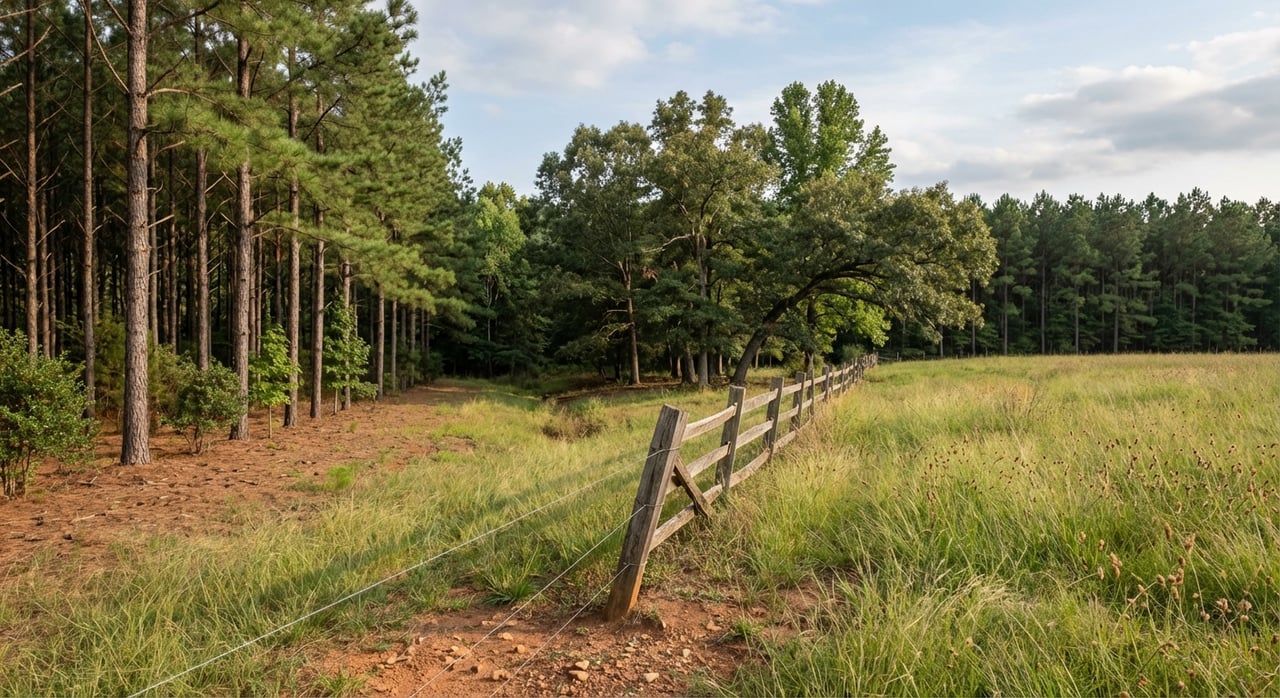
Timber value is a major driver. Species mix, age, size class, and operability all matter. Mature sawtimber stands usually support higher per-acre values than young plantations. Pine plantations on a clear path to thinning or final harvest often price higher than recently replanted acres.
Markets are cyclical and regional. To get specific, commission a timber cruise from a licensed forester and review regional stumpage reports. Stand maps, volumes by product class, and access notes will tighten your price range.
Water features, wetlands, and floodplain
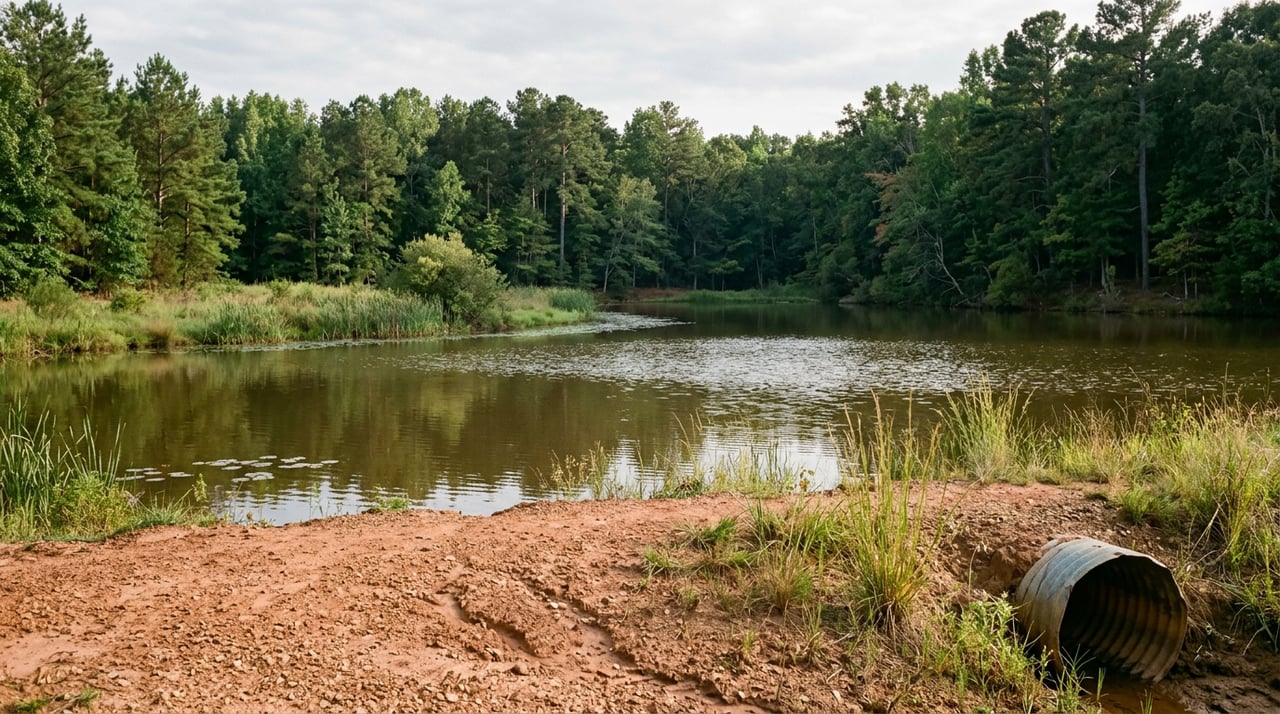
Year-round creeks, ponds, and lakes typically add a premium for recreation and aesthetics. Buyers pay for water access, views, and fishing potential. Waterfront often brings higher per-acre pricing than upland timber alone.
Wetlands and mapped floodplain can reduce the usable or buildable area and may complicate road or culvert work. Plan ahead for buffers, permits, and seasonal constraints. Use flood maps and wetland inventories, then confirm conditions on site.
Utilities and services
Availability of electricity, reliable broadband, and, where present, municipal water or sewer influences demand for homesites. In rural Taliaferro County, public water and sewer are limited. Running utilities long distances can be costly.
If you are buying to build, ask about electric service, broadband providers, and expected timelines and fees for connections. If you are selling, document utility locations, meter status, and any recent upgrades.
Soils and topography
Soil type and slope affect timber growth, road costs, and septic suitability for homes. Well-drained uplands with gentle slopes are typically more valuable for both timber production and building.
Start with a soil map and note any steep or wet areas. For homesites, a professional septic evaluation may be a smart contingency. For timber, think about operability and potential erosion control during harvest.
Zoning and land use limits
County zoning, deed restrictions, and conservation easements shape the highest and best use. An easement can limit development potential and often lowers price compared with unrestricted fee simple land, although some buyers value conserved parcels.
Always verify zoning, recorded restrictions, and any easements. Confirm mineral rights if relevant. Clear, unrestricted title is a value driver.
Nearby amenities and broadband
Proximity to Crawfordville, schools, essential retail, and state parks can support lifestyle demand. Broadband access is increasingly critical for work-from-home buyers. Amenities that attract out-of-county buyers can raise interest and shorten time on market.
Map out distances to services, public recreation sites, and nearest boat ramps where relevant. Note broadband availability and speeds when possible.
How to estimate value on a specific parcel
Use a simple, evidence-first process:
- Confirm basics
- Pull the deed, tax card, and parcel map. Verify acreage, boundaries, and any recent splits or consolidations.
- Check for recorded easements, rights-of-way, or encroachments.
- Evaluate access and roads
- Confirm public road status and any maintenance agreements for private roads.
- Walk or drive internal roads and note conditions, water crossings, and slope.
- Assess timber and habitat
- Hire a licensed forester to complete a timber cruise and stand map.
- Note species, age class, volumes, operability, and recommended harvest schedule.
- Check water, wetlands, and floodplain
- Review flood maps and wetland layers to understand constraints and buffers.
- Inspect any creeks, ponds, or lakes for condition and access points.
- Review soils and buildability
- Pull a soils report and discuss septic feasibility for likely homesite areas.
- Note any steep, rocky, or poorly drained zones.
- Verify utilities and development cost
- Confirm electric service, transformer locations, and estimated tie-in costs.
- Check broadband options and typical speeds. Explore well and septic requirements.
- Analyze comps and buyer fit
- Compare to recent sales of similar parcel types in Taliaferro and adjacent counties.
- Adjust for frontage, access, timber maturity, water, and buildability. Avoid simple per-acre averages.
- Confirm taxes and programs
- Review current property taxes and any agricultural or conservation use classifications that lower the bill. Ask about potential rollback taxes if the use changes.
Practical pricing and negotiation tips
If you are selling, you can justify stronger pricing with:
- A recent timber cruise with documented volumes and stand data.
- Paved, public road frontage and multiple access points.
- Usable internal roads, cleared homesites, and a maintained entrance.
- Short drive times to I-20, Crawfordville, and regional hubs.
- A recent survey, clear title, and no encumbrances.
If you are buying, you can seek concessions for:
- Poor or unrecorded access, or long stretches of wetlands that reduce usable acres.
- Young stands that need years to reach marketable rotation.
- Lack of utilities or costly extensions for electric and broadband.
- Deferred road maintenance, failing culverts, or boundary fence issues.
On timing and structure:
- Sellers can improve value by finishing a survey, addressing access issues, and scheduling appropriate timber work before listing.
- Buyers can include contingencies for timber cruise, soils/septic approval, survey, and title review. Build a realistic inspection timeline and communicate early.
Quick due diligence checklist
- Deed, legal description, and recent tax bill
- Current survey or boundary confirmation
- Recorded easements and access agreements
- Timber cruise and stand map (species, age class, volumes)
- Soils map and septic suitability or site evaluation
- Flood zone and wetland presence
- Utility status and tie-in feasibility (electric, broadband)
- Recent comparable sales for similar parcel types
- Any conservation easement or deed restrictions
- Road maintenance agreements or county road status
Common mistakes to avoid
- Relying on county-wide per-acre averages without adjusting for frontage, timber, water, and buildability.
- Assuming physical access equals legal access. Always confirm recorded rights-of-way.
- Skipping soils and septic checks for homesite parcels.
- Underestimating utility extension costs to remote tracts.
- Overlooking rollback taxes tied to a change in use.
Work with a land specialist who knows Taliaferro
In Taliaferro County, small parcel details drive big price differences. You need clear data on access, timber, water, soils, and utilities to price correctly and negotiate well. A specialist can coordinate timber cruises, surveys, soils work, and a clean title path so you can move from interest to closing with fewer surprises.
If you are exploring a purchase or planning a sale, we can help you assemble a decision-ready property packet with maps, aerials, boundary overlays, and key due diligence items. Ready to take the next step? Request a packet or a quick pricing consult today with United Country Real Estate | Southern Select Properties.
FAQs
Who is buying land in Taliaferro County today?
- Timber investors, recreational buyers, lifestyle homesite buyers, neighboring landowners, and occasional conservation buyers, each valuing different parcel features.
How does I-20 proximity affect land value here?
- Shorter drives to I-20 and regional centers increase buyer appeal for commuting and services access, and can improve timber economics by reducing haul distance.
Do timber stands raise price even if I do not plan to harvest?
- Yes; mature or near-rotation stands generally lift per-acre values because they reflect embedded timber value and near-term income potential.
Are wetlands or floodplain always a negative for value?
- Not always; water features can add recreational and aesthetic value, but mapped wetlands or floodplain can reduce buildable acreage and add regulatory steps.
What records should I review before making an offer?
- Pull the deed and tax card, verify access and easements, order a timber cruise, check soils and septic suitability, review flood and wetland maps, and confirm utilities.
Are there property tax programs that lower holding costs?
- Yes; Georgia offers agricultural and conservation use classifications that can reduce property taxes, though changes in use may trigger rollback taxes.