If your land listing in Taliaferro County has been sitting for a while, or you are watching a new tract go under contract quickly, it is easy to fixate on one number: days on market. But in a county this small, that number rarely tells the whole story. When you understand what days on market really reflects here, you can make better buying and selling decisions with fewer wrong assumptions. Let’s dive in.
Why days on market can mislead
Taliaferro County is a very small land market. The Census Bureau estimates just 1,662 residents, 921 housing units, and about 8.0 people per square mile across 194.61 square miles of land. In a market with a thin buyer pool, listing timelines can swing a lot more than they do in larger counties.
That is why days on market, often shortened to DOM, should be treated as a clue rather than a verdict. A tract that sells fast is not automatically the best property, and a tract that lingers is not automatically flawed. In Taliaferro County, a few active buyers or the lack of them can change timing in a big way.
Public listing counts also show how limited the sample is. Zillow currently shows 18 land results in the county, while LandWatch shows 24 listings and about 1,399 acres advertised for sale, with roughly $9 million of land on the market. When inventory is this small, one or two unusual listings can skew your view of the whole market.
What days on market really means
For land in Taliaferro County, DOM is usually best read as a pricing and packaging signal. In plain terms, it can tell you whether a tract is hitting the market in a way buyers understand and trust. That includes price, access, maps, frontage, utility expectations, and the quality of the information presented.
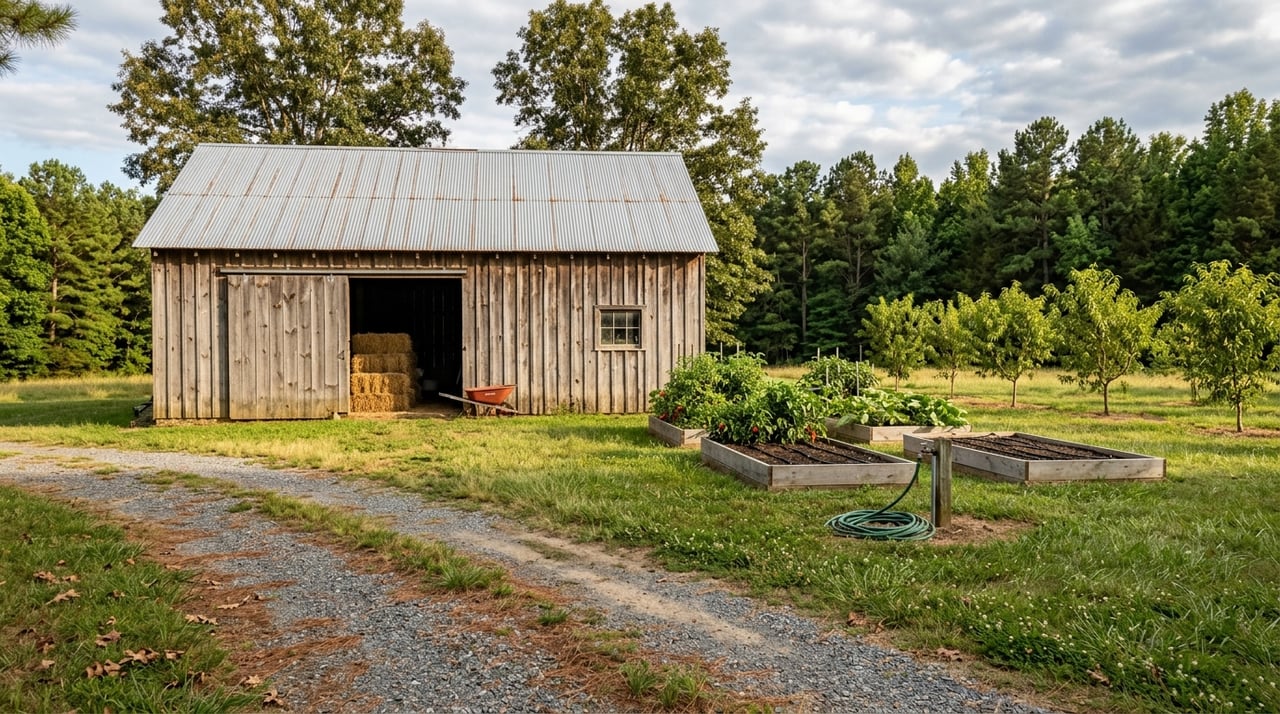
This matters even more here because the county’s land base is strongly rural. USDA’s 2022 county profile shows 60 farms covering 11,679 acres, with an average farm size of 195 acres. It also shows 6,342 acres of woodland, 2,383 acres of pastureland, and 2,020 acres of cropland, which helps explain why land buyers often focus on practical tract features rather than broad countywide averages.
If you are a seller, a long DOM can mean the market is asking for more clarity. If you are a buyer, a long DOM can create opportunity, but only if you understand why the property has been on the market. The number itself is not the answer.
Why countywide averages are weak
A countywide residential average is not a reliable guide for land. Realtor.com reports a median 50 days on market for homes in the county, while Redfin’s county page for cheap homes says most homes stay on the market 195 days. Even before you get to land, the spread shows how source-sensitive and sample-sensitive DOM can be.
That gap should make you cautious. If home data can vary that much, land data in a county with very few listings can vary even more. The better approach is to compare one tract against similar tracts in the same county, with similar access, size, use, and improvements.
What helps land sell faster here
In Taliaferro County, some features tend to make a listing easier for buyers to evaluate. That often leads to stronger interest and a shorter market time.
Clear access and frontage
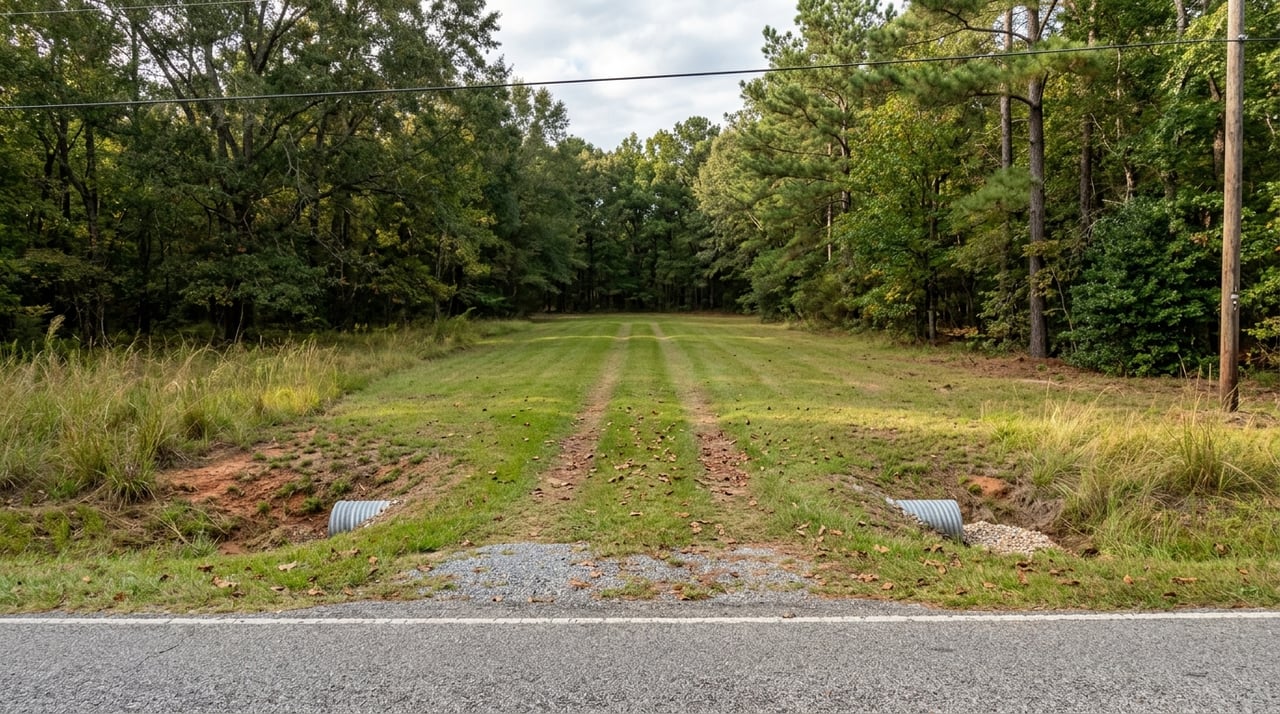
Access matters a lot in rural land sales. County land listings often highlight paved road frontage and proximity to I-20 because buyers respond to tracts that feel easy to reach and easy to use.
County subdivision rules reinforce that point. Minor subdivision applications must verify lot access and frontage on a private road or an accepted public right-of-way. If an unpaved public right-of-way is used for access, it must be improved to Georgia Department of Transportation pavement standards.
For buyers, that means access should never be assumed. For sellers, that means access should be documented and clearly shown in the marketing package whenever possible.
Straightforward utility expectations
Utilities are another major variable. Taliaferro County does not currently operate a public water system, and most unincorporated residents rely on private wells. The City of Sharon also has no public water system and no long-term plan to bring one there.
That makes buildability questions more important. Buyers usually want to know what site work may be needed, what utility path is realistic, and whether the tract is suited to their intended use. The clearer those answers are upfront, the easier it is for a buyer to move forward.
Practical land uses
The county’s comprehensive plan lays out a strongly rural land-use framework. Land is designated for agriculture, forestry, residential, commercial, industrial, public or institutional, transportation or utilities, and park, recreation, or conservation uses.
The same plan also states that low-density, non-suburban development is not desired in agricultural areas because public services are limited. That does not make land less valuable, but it does mean buyers and sellers should stay grounded in what the tract is realistically suited for today.
What can slow a sale
A longer DOM often points back to three issues: price, due diligence, or buyer fit. In a county this small, it does not take much for one of those issues to narrow the pool.
Price ahead of the market
Pricing is one common reason a tract sits. The county tax assessor says a countywide 2025 revaluation of residential and agricultural properties was completed after assessed values fell out of compliance with state standards and the local market had moved steadily over several years.
That matters because pricing expectations may still be adjusting. Sellers may be looking at older assumptions, while buyers may be comparing active options more carefully. A custom review of current competing tracts is often more useful than relying on broad averages or tax value alone.
Incomplete due diligence
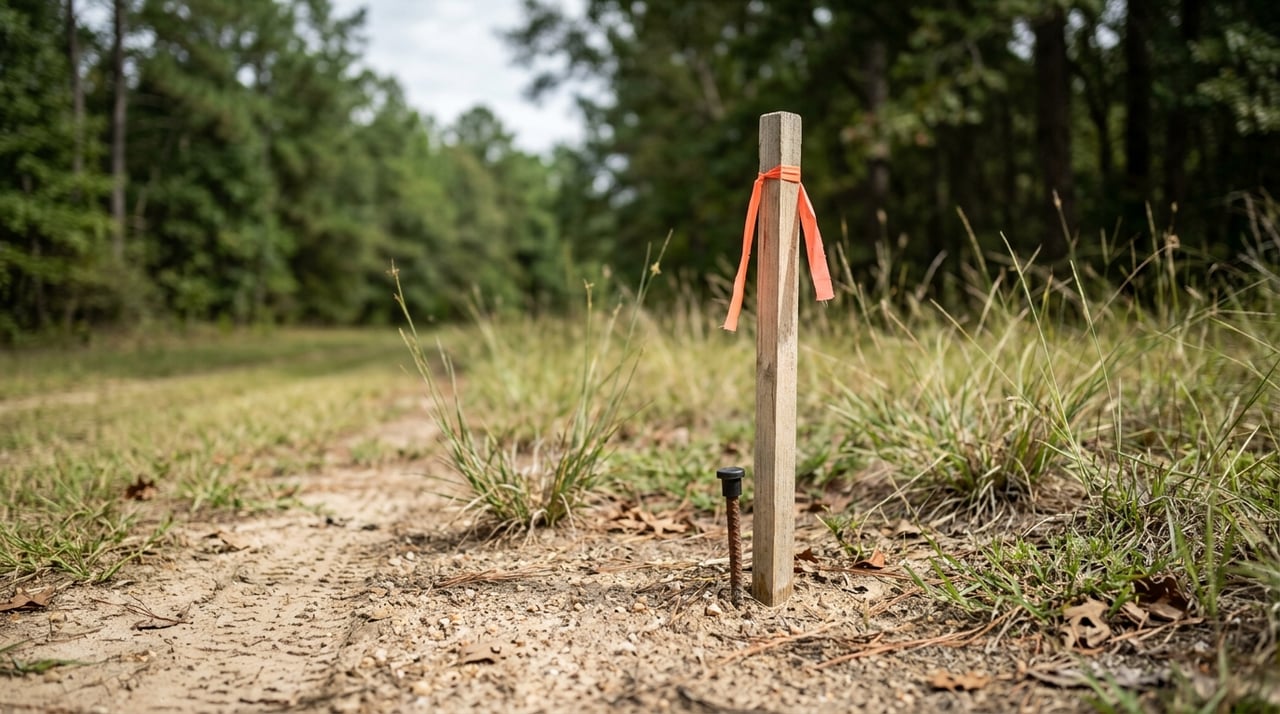
Land buyers tend to slow down when key facts are missing. If access is unclear, frontage is hard to verify, utility expectations are vague, or site constraints are not addressed, buyers often move on to the next listing.
That is especially true in a market where environmental and site limits can matter. County planning materials identify groundwater recharge areas and wetlands as special-protection areas, and they note that wetlands should generally be limited to low-impact or no-impact uses such as timber, wildlife management, and fisheries.
A narrower buyer pool
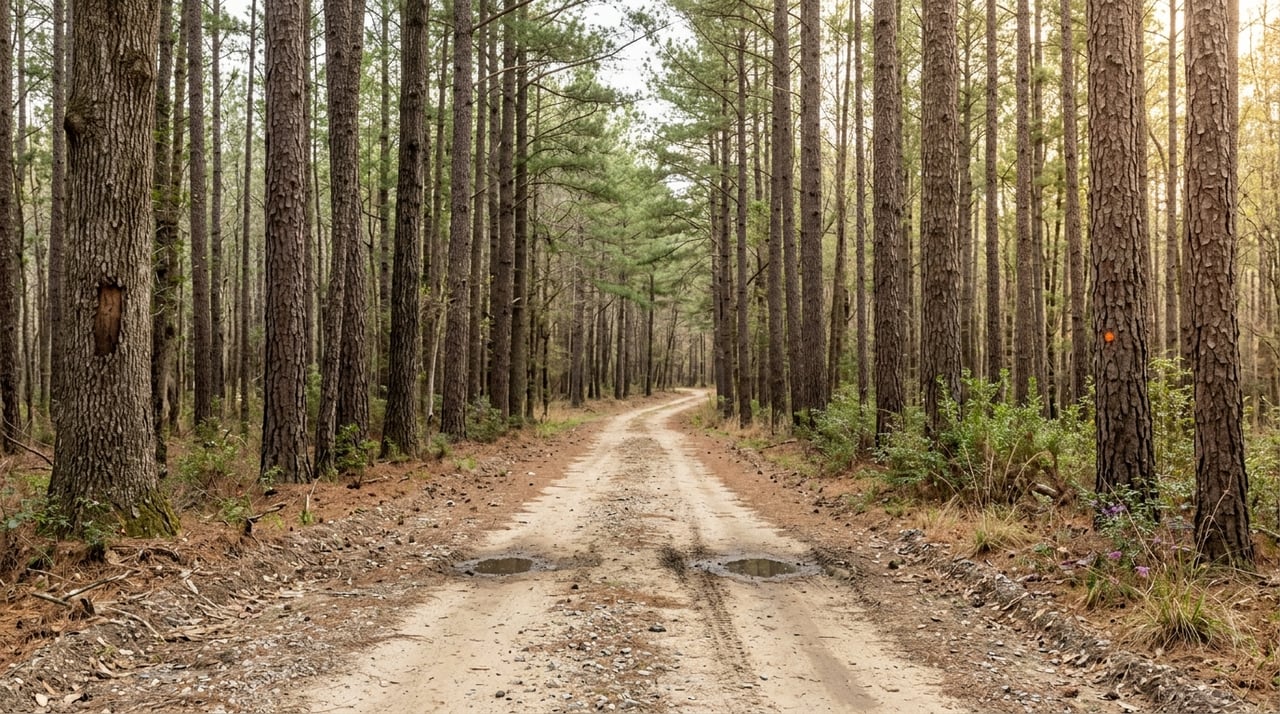
Some tracts are good properties but appeal to fewer buyers. A heavily wooded parcel, a hunting tract, or land with specific access or site-work needs may simply require more time to find the right match.
That is normal in Taliaferro County. With a small population and limited inventory, it often takes longer for a specialized buyer to show up, tour the tract, and complete due diligence.
How to read fast and slow listings
Outliers can be useful if you read them the right way. Public listings in the county already show the kind of spread you would expect in a small market.
Recent Zillow land listings in Taliaferro County show 38, 122, and 131 days on Zillow. Zillow examples also show one active listing reduced by $29,000 and another reduced by $40,775, which is a reminder that longer DOM often connects back to price or positioning.
If a tract sells fast
A quick sale often means the tract was priced right and packaged well. In this market, listings that feature paved frontage, road access, timber, wildlife, or proximity to I-20 are emphasizing the exact details buyers often care about.
That does not mean every fast sale was underpriced. It may simply mean the seller removed uncertainty and gave buyers enough confidence to act quickly.
If a tract sits for 100+ days
A slow listing deserves a closer look, not a quick dismissal. In Taliaferro County, 100-plus days can reflect a smaller buyer pool, a price that is ahead of current comps, or unanswered due diligence questions.
For buyers, that may create negotiating room. For sellers, it is often a signal to review price, refresh the presentation, tighten disclosures, and make sure access and tract facts are easy to understand.
What buyers should focus on
If you are shopping for land in Taliaferro County, use DOM as a prompt for better questions. It should help guide your review, not replace it.
Ask about:
- Legal and practical access
- Road frontage and road condition
- Likely utility setup, especially private well expectations
- Current land-use fit for your intended use
- Wetlands, recharge areas, or other site constraints
- Whether the asking price matches similar local tracts
A tract with a longer DOM may be a smart buy if the facts line up. A tract with a short DOM may still deserve careful review if competition is pushing fast decisions.
What sellers should focus on
If you are selling land, your goal is not just exposure. Your goal is to remove friction for qualified buyers.
In Taliaferro County, that usually means:
- Pricing against similar local tracts, not broad residential averages
- Showing access and frontage clearly
- Setting realistic expectations about wells and utilities
- Explaining the land’s best uses in practical terms
- Packaging the listing with strong visuals and parcel facts
The more complete the listing story is, the more likely buyers are to engage. In a small county, a well-prepared listing can make a meaningful difference.
The bottom line on DOM
Days on market can be helpful, but it is not a scoreboard for land quality in Taliaferro County. In a market this small and rural, DOM works best as a signal about price, access, due diligence, and buyer fit.
If you are buying, use it to spot questions and opportunities. If you are selling, use it to judge whether your pricing and presentation match what the market can absorb right now. When you compare similar tracts and focus on parcel-level facts, DOM becomes much more useful.
If you want help evaluating a tract, reviewing local comps, or packaging a listing with clearer parcel data, Georgia Land Brokerage can help you cut through the noise and make a more confident land decision.
FAQs
What does days on market mean for land in Taliaferro County?
- It shows how long a parcel has been publicly listed, but in Taliaferro County it is best used as a clue about pricing, access, buyer demand, and due diligence rather than a final judgment about the land.
Why do Taliaferro County land listings have very different market times?
- The county has a very small population, limited inventory, and a thin buyer pool, so listing timelines can vary widely based on tract features, price, and how clearly the property is presented.
Is a long days on market always bad for Taliaferro County land sellers?
- No. A long DOM can mean the tract serves a narrower buyer group, needs stronger due diligence materials, or is priced above current competing listings.
What features can shorten days on market for land in Taliaferro County?
- Clear access, usable road frontage, realistic utility expectations, and practical details such as paved frontage, timber, wildlife appeal, or proximity to I-20 can help buyers move faster.
Should buyers compare Taliaferro County land DOM to house DOM?
- No. Residential averages are a loose comparison at best, and public home-market DOM figures already vary widely by source, so land should be compared against similar local tracts instead.
Why do utilities matter so much for Taliaferro County land sales?
- The county does not currently operate a public water system, and most unincorporated residents rely on private wells, so buildability and site-work questions can affect buyer confidence and sale timing.