Dreaming about a few fenced acres, a garden, and maybe a horse or two? In Elbert County, that lifestyle is realistic, but the right tract matters more than many buyers expect. If you want a hobby farm or mini-ranch that works well from day one, you need to look beyond the pretty view and focus on zoning, land shape, water planning, and basic site feasibility. Let’s dive in.
Why Elbert County Fits
Elbert County has the kind of rural setting many acreage buyers want. As of July 1, 2025, the county had 20,072 residents spread across 351.10 square miles of land, which works out to about 55.9 people per square mile. That low-density pattern supports the open, country feel that draws buyers to hobby-farm property.
The local farm base also tells you a lot about the area. USDA's 2022 Census of Agriculture reports 424 farms covering 76,233 acres, with an average farm size of 180 acres. That means agriculture is not an unusual land use here. It is already part of the county’s day-to-day landscape.
Animal agriculture is especially important in Elbert County. In 2022, the county reported 9,269 cattle and calves, 315 horses and ponies, more than 5.6 million broilers, and more than 568,000 layers. For buyers looking at hobby farms, that matters because it shows the county is familiar with livestock-oriented land use.
Zoning for Hobby Farms
If you are shopping for hobby farms and mini-ranches on Elbert County acreage, zoning should be one of your first filters. The county’s zoning code creates both an A Agricultural District and an RR Rural Residential District, and each can fit a different type of acreage plan.
The RR district is often the clearest match for a lifestyle property. The code describes RR as a place for limited hobby-type agricultural activities for personal use. It also allows fresh fruits, flowers, and vegetables grown on the property to be sold to the public, while excluding commercial greenhouse or nursery use.
The A district is more farm-oriented. It is better suited to general farming, while RR is more directly aligned with the buyer who wants a home site with usable acreage and modest agricultural activity. In simple terms, RR is the lifestyle-acreage zone, while A is the more production-focused farm zone.
Minimum lot size is another big factor. The county requires at least 5 acres in RR and 10 acres in A. If you are comparing properties, this can quickly shape what is possible on a tract and how the property fits your goals.
Some uses also require conditional-use review. If your plans involve larger animal setups, major outbuildings, or anything beyond a basic hobby-farm layout, it is smart to verify those details early with the county planning process. A good tract on paper can become a frustrating fit if your intended use does not line up with county rules.
What Good Hobby-Farm Land Looks Like
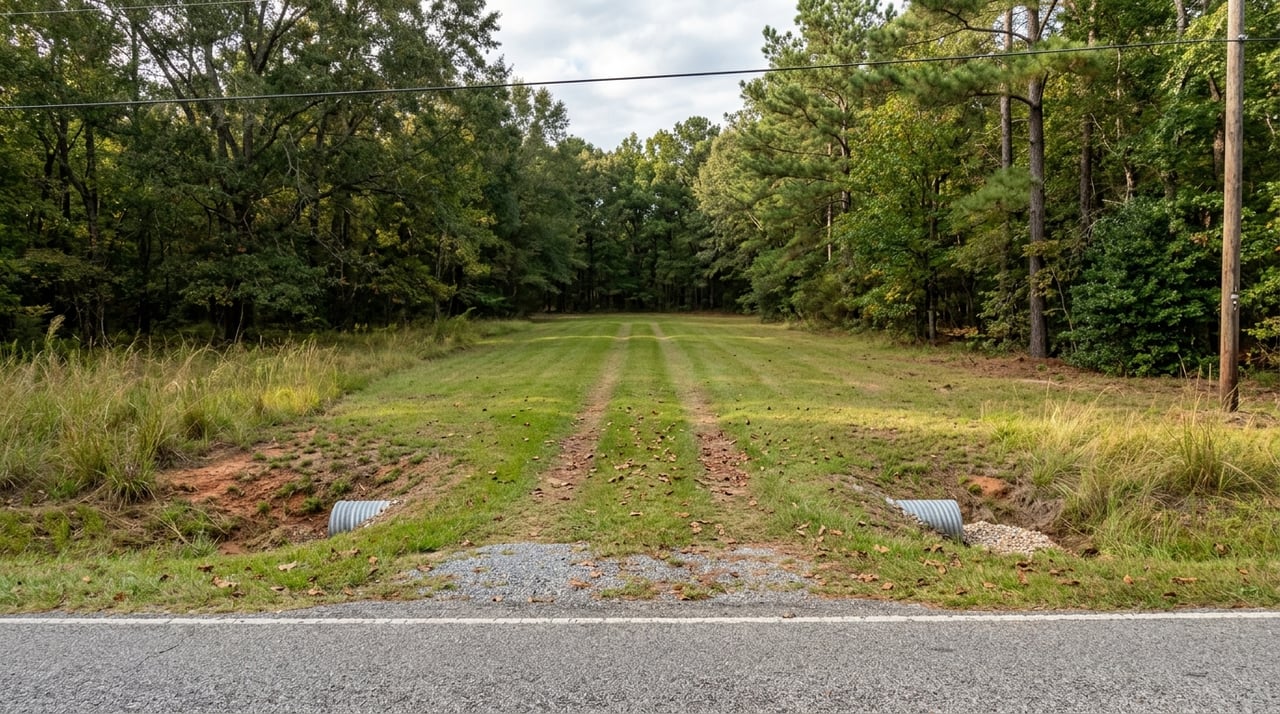
Not every acreage tract supports the same kind of use. In Elbert County, the overall land profile leans toward pasture and woods, which is a helpful starting point for buyers who want gardens, horses, or small livestock.
USDA reports 18,577 acres of pastureland, 30,736 acres of woodland, and 23,164 acres of cropland in the county. Forage is the leading crop at 8,528 acres, followed by wheat at 2,865 acres and soybeans at 2,686 acres. That pattern is consistent with a county where pasture-based and livestock-oriented properties make practical sense.
For a mini-ranch or hobby farm, open ground usually matters more than raw acreage alone. A 12-acre tract with usable pasture, a good barn site, and room for fencing may fit better than a 20-acre tract that is heavily wooded and difficult to improve. You want land that supports the way you plan to use it.
Look for Open Ground
If your goal includes horses, goats, sheep, or a family garden, open acreage is a major advantage. Existing pasture or field areas can reduce the work and cost involved in turning a property into a functioning hobby farm. They also give you more flexibility for fencing, paddocks, barns, and access lanes.
UGA Extension resources for Elbert County point landowners toward research-based guidance on forage systems, fencing, livestock care, and soil sampling. That is useful because small farm success often comes down to setup. Safe fencing, workable ground, and enough room for equipment can make daily use much easier.
Match Fencing to the Animal
Fencing is not one-size-fits-all. UGA notes that fences may be used to confine animals or exclude animals, and its horse-fencing guidance emphasizes that horses have different fencing needs than other livestock. If you plan to keep horses, this is not a minor detail.
That means you should evaluate a tract with your intended use in mind. Long, clean fence lines and open layout can be a better fit than irregular wooded boundaries. If fencing will be a major part of your setup, the shape and topography of the land matter almost as much as the acreage count.
Water and Soil Matter More Than You Think
Many first-time acreage buyers focus on price, road frontage, and appearance. Those are important, but water and soil conditions often have a bigger impact on whether a hobby farm is easy to use.
Only 1,978 acres in the county’s farmland base were irrigated in 2022, or about 3% of land in farms. That tells you water planning is important, especially if you want gardens, orchard space, or forage production. A tract may look ideal in spring and still require thoughtful planning for long-term water use.
Elbert County sits on rolling hills, so parcel-specific soil and drainage review is important. A barn pad, garden rows, paddocks, driveway location, and septic field all work better when they are planned around the ground conditions instead of forced onto them later.
Check Soils Early
The Natural Resources Conservation Service identifies Web Soil Survey as the official source for current soil survey information. For buyers, that makes soil review a practical due diligence step, not just a technical extra. It can help you understand slope, drainage, and site limitations before you commit.
This is especially important if you already have a vision for improvements. The best barn site on a map may not be the best barn site once you factor in drainage or slope. The same goes for driveways, garden areas, and septic placement.
Septic Feasibility Is Core Due Diligence
On small acreage, septic feasibility is not a box to check at the end. It is one of the first things you should confirm. If a property will rely on an onsite sewage system, that issue can affect where you build and how the land functions.
Georgia’s onsite sewage rules require a county health department construction permit before physical development begins on a lot or an onsite sewage management system is installed. For a buyer, that means septic feasibility needs to be part of your early decision-making process. It is too important to leave as an afterthought.
In Elbert County, the local health office is listed at 618 Jones Street in Elberton, with phone number 706-283-3775. If you are comparing multiple parcels, this is one of the smartest early calls you can make during due diligence.
Understand Nearby Farm Activity
A lot of buyers want privacy and space, but they also want to know what living near agricultural land may involve. In Elbert County, that is a fair question because farm activity is a real part of the local land-use pattern.
Georgia’s right-to-farm statute generally protects qualifying agricultural facilities and operations from being treated as nuisances after they have been in operation for two years or more, except in cases involving negligent, improper, or illegal operation. For you, the practical takeaway is simple: nearby farm activity may be a normal part of the setting, and it is wise to understand that before you buy.
This does not mean every tract is the same. It means you should evaluate the surrounding area with open eyes. If your goal is a quiet mini-ranch lifestyle, it helps to know what adjacent and nearby land is already being used for.
Plan for Livestock Practicalities
Keeping animals on small acreage can be rewarding, but it also comes with routine responsibilities. Buyers sometimes focus on the fun parts of the plan and underestimate the setup needed to manage the property well.
Elbert County regulates commercial-scale agriculture separately, including poultry-house setbacks and animal-waste best-management language in its zoning code. The county code also states that the county will not bury or otherwise dispose of large dead animals. For livestock owners, that means basic planning for manure handling, biosecurity, and private carcass-removal options matters.
Even on a smaller hobby-farm setup, these are practical questions worth asking up front. A tract that has room for animals should also have room for the systems that support them.
A Simple Acreage Checklist
When you compare hobby farms and mini-ranches in Elbert County, keep your review focused on the basics that affect everyday use:
- Zoning district, especially RR versus A
- Minimum lot size and any use restrictions
- Amount of open ground versus heavy woods
- Soil, slope, and drainage conditions
- Septic feasibility and likely build area
- Water planning for gardens, forage, or animals
- Fence layout potential and access for equipment
- Nearby farm activity and surrounding land use
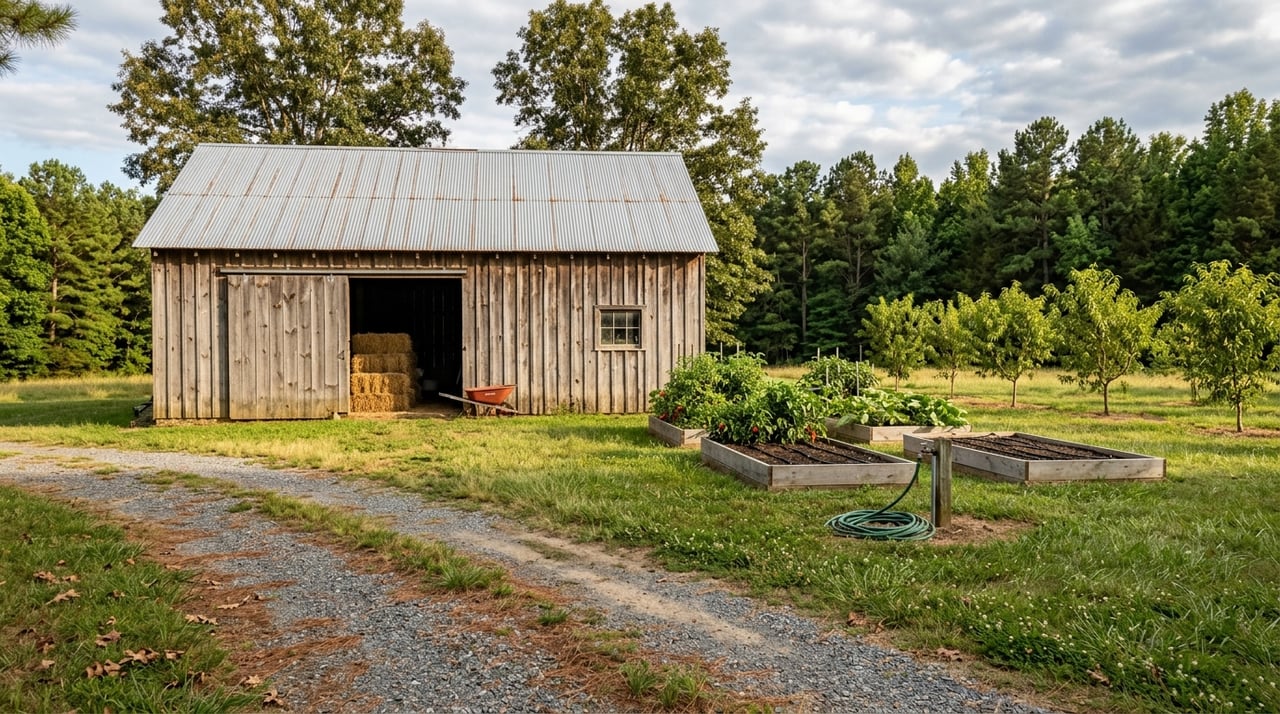
- Space for barns, sheds, paddocks, and manure handling
A beautiful tract is not always a functional tract. The best property is the one that supports your actual plan with fewer surprises.
Why Local Acreage Guidance Helps
Land is more technical than most residential buyers expect. With hobby farms and mini-ranches, the details can shape both your budget and your long-term enjoyment of the property.
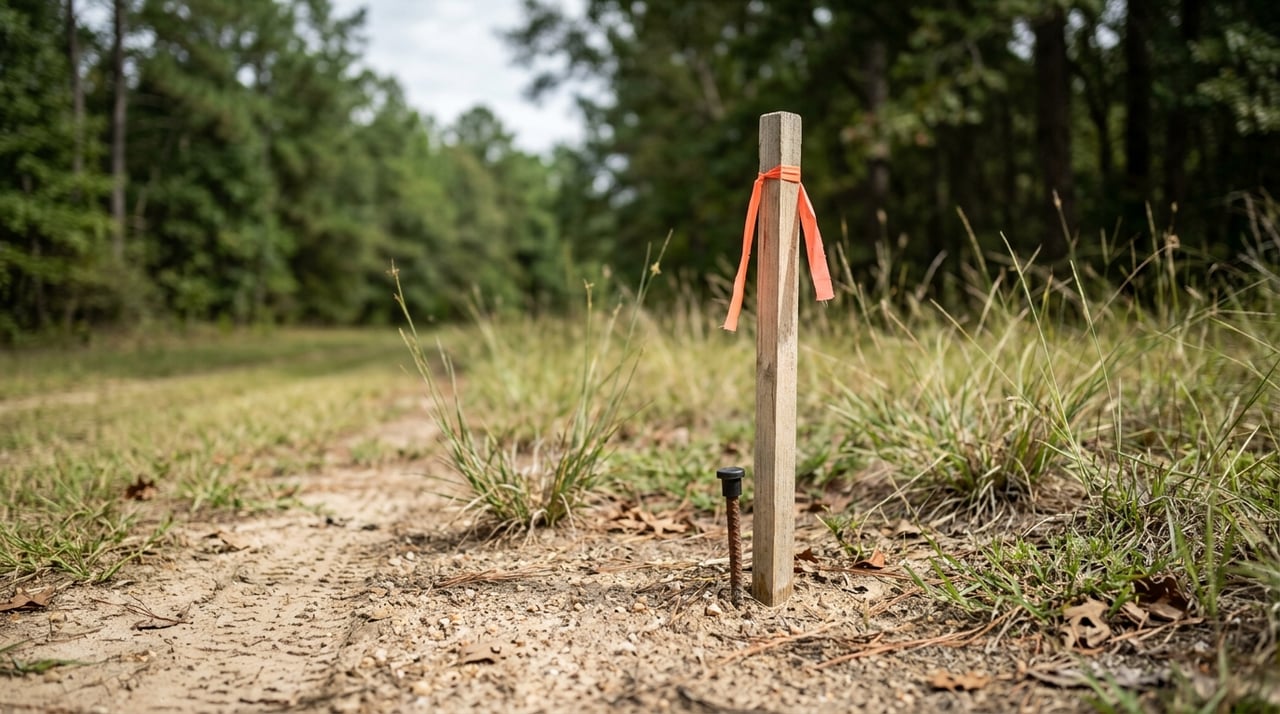
That is why parcel-level review matters. Boundary clarity, access, zoning fit, soils, and layout all deserve attention before you move forward. A property can be appealing in photos and still miss the mark for your intended use.
If you are buying or selling acreage in Elbert County, working with a land-focused brokerage can help you cut through that complexity. When the goal is usable land, not just a mailing address, practical due diligence makes a real difference.
If you are ready to evaluate Elbert County acreage for a hobby farm or mini-ranch, Georgia Land Brokerage can help you sort through the parcel details that matter most.
FAQs
What zoning is best for a hobby farm in Elbert County?
- The RR Rural Residential district is the most directly relevant zoning category for limited hobby-type agricultural activities for personal use, while the A Agricultural district is generally more production-oriented.
What is the minimum acreage for rural residential land in Elbert County?
- The county zoning code lists a 5-acre minimum lot size in RR Rural Residential and a 10-acre minimum in A Agricultural.
Why is septic review important for Elbert County acreage?
- Georgia requires a county health department construction permit before physical development begins on a lot or an onsite sewage system is installed, so septic feasibility is a key due diligence step.
What land features matter most for mini-ranches in Elbert County?
- Open ground, workable pasture, soil and drainage conditions, fencing potential, and enough room for barns, paddocks, driveways, and septic areas are usually more important than raw acreage alone.
Is Elbert County a good place for horse property or small livestock?
- The county has an established agricultural landscape with pasture-based land use and reported horses, cattle, and other livestock, which makes it a practical setting to evaluate for horse property and small-scale livestock use.